
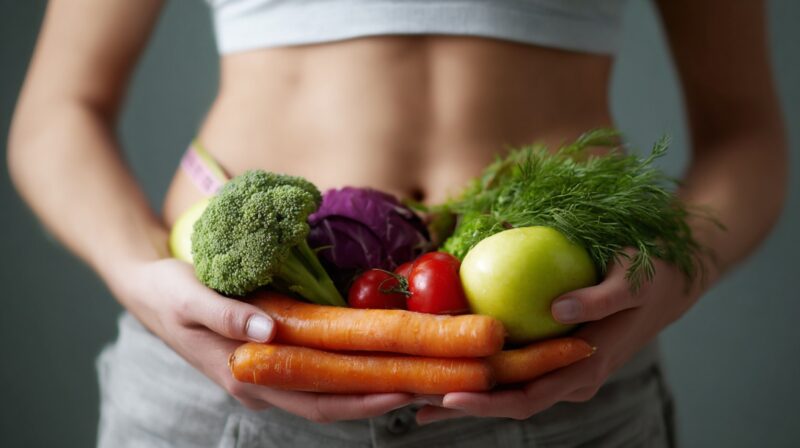
What are 7 Best Vegan Foods for Belly Fat Loss?
Belly fat, also known as visceral fat, is strongly linked to higher risk of heart disease, insulin resistance, and metabolic disorders. Excess fat stored around internal organs affects long-term health more than fat stored under the skin.
People who follow vegan eating patterns tend to consume fewer calories while still eating satisfying portions.
Several key mechanisms explain why vegan diets support fat loss. Lower calorie density allows larger portions with fewer calories. Higher fiber intake promotes fullness and reduces total daily calorie intake.
Improved insulin sensitivity helps reduce fat storage, especially in the abdominal area. Increased fat oxidation also contributes to more efficient energy use.
Here, we will talk about how vegan foods can help target belly fat specifically while supporting overall health and sustainable weight loss.
1. Legumes (Lentils, Chickpeas, Black Beans)
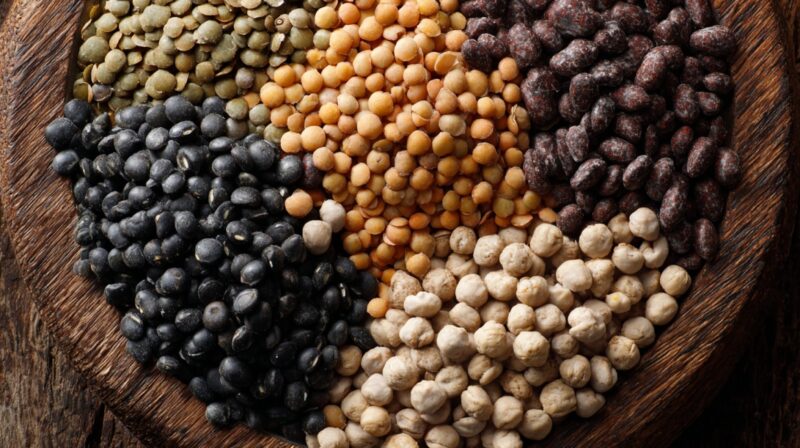
Legumes provide approximately 15 to 18 grams of protein per cooked cup, making them one of the most effective plant-based protein sources for fat loss. Adequate protein intake helps preserve lean muscle mass, which supports a higher metabolic rate during calorie restriction.
Key nutritional values per cooked cup include:
| Nutritional Value | Amount per Cooked Cup |
|---|---|
| Protein | ~15–18 grams |
| Fiber | ~13–16 grams |
| Calories | ~200–230 |
High protein intake increases satiety hormones and reduces hunger signals, leading to lower overall calorie intake across the day. Meals built around legumes tend to keep people full longer compared to low-protein options.
Soluble fiber plays a direct role in reducing visceral fat. Gel-forming fiber slows digestion and helps regulate nutrient absorption, which improves metabolic health. Stable blood sugar levels reduce insulin spikes and limit fat storage in the abdominal area.
Low glycemic index values help maintain steady energy levels. Reduced fluctuations in blood sugar also decrease cravings and prevent overeating.
- Increased fullness after meals
- Reduced total daily calorie intake
- Improved digestion and gut function
2. Leafy Greens (Spinach, Kale, Swiss Chard)
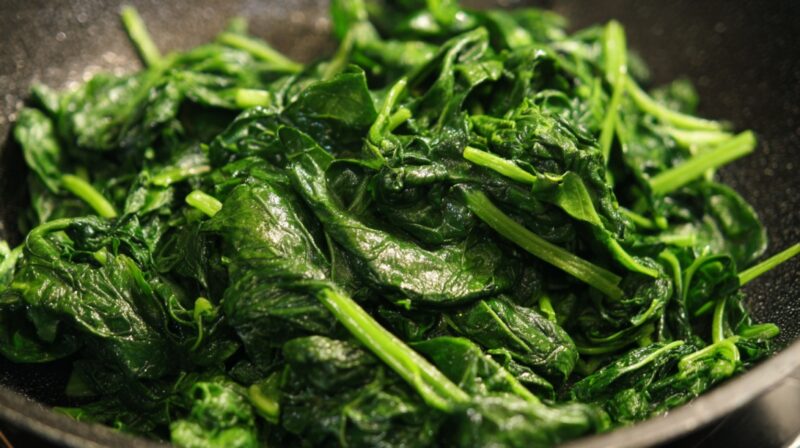
Leafy greens provide extremely low calorie density, allowing large portion sizes with minimal calorie intake. High-volume meals built around these vegetables support fat loss by creating a natural calorie deficit without hunger.
Typical nutritional profile per 100 grams:
| Nutritional Component | Amount per 100 g |
|---|---|
| Calories | ~20–35 |
| Fiber | ~2–4 grams |
| Water content | Over 85% |
High water and fiber content add bulk to meals, helping stretch the stomach and trigger fullness signals. Reduced bloating and improved digestion are additional benefits.
Micronutrients such as iron and magnesium support energy production and muscle function. Proper nutrient intake helps maintain performance and consistency during fat loss.
- Reduces overall calorie intake without restriction
- Supports gut health through fiber intake
- Helps maintain hydration due to its high water content
3. Whole Grains (Quinoa, Brown Rice, Oats)
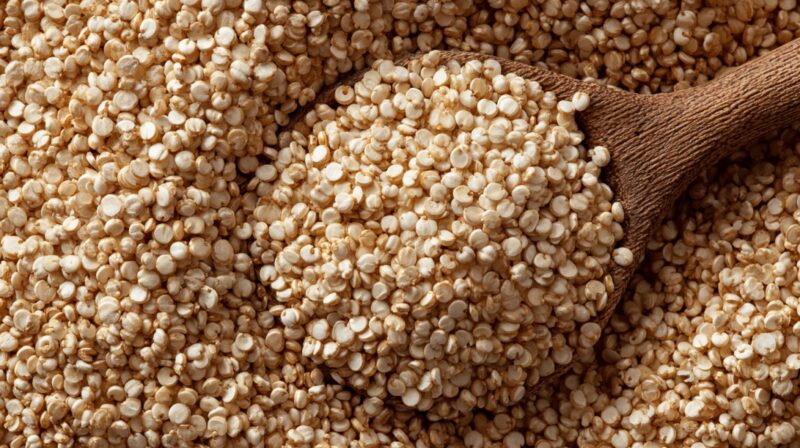
Whole grains provide complex carbohydrates that digest slowly, helping prevent rapid spikes in blood sugar and insulin. Stable blood sugar supports better appetite control and reduces the likelihood of fat storage.
Oats contain beta-glucan fiber, a type of soluble fiber linked to reduced belly fat and improved cholesterol levels. Regular intake of oats has been associated with improved metabolic markers.
- Slow digestion rate
- Sustained energy release
- Higher fiber content compared to refined grains
Replacing refined grains with whole grains leads to measurable improvements:
- Lower waist circumference
- Reduced hunger between meals
- Better long-term weight control
Consistent energy levels help reduce cravings, making it easier to maintain a calorie deficit over time.
4. Nuts and Seeds (Chia Seeds, Flaxseeds, Almonds, Walnuts)
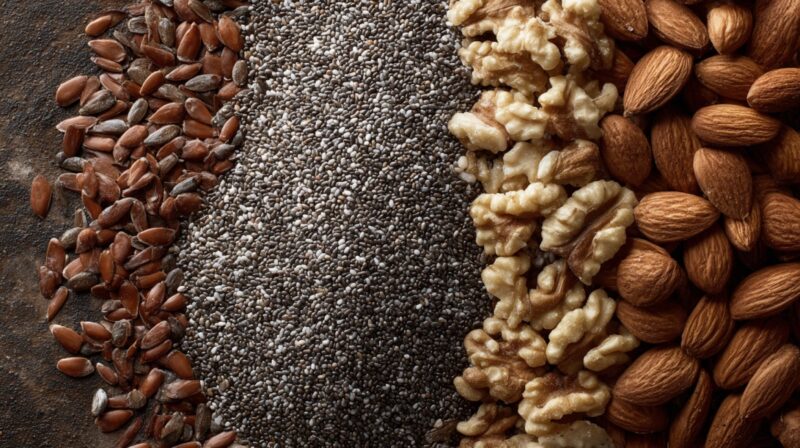
Nuts and seeds contain a combination of healthy fats, fiber, and moderate protein, all of which contribute to increased satiety. Even though they are calorie-dense, controlled portions help regulate appetite and reduce overeating.
Typical benefits per serving include:
| Nutrient | Benefit |
|---|---|
| Fiber | Supports digestion and fullness |
| Healthy fats | Slow gastric emptying |
| Protein | Supports satiety and muscle maintenance |
Chia seeds and flaxseeds provide omega-3 fatty acids, which help reduce inflammation. Lower inflammation levels are associated with improved fat metabolism and reduced abdominal fat storage.
Portion control remains important due to calorie density. Balanced intake supports fat loss rather than weight gain.
- Better appetite regulation
- Reduced cravings
- Improved metabolic health markers
5. Tofu and Tempeh (Plant-Based Protein Sources)
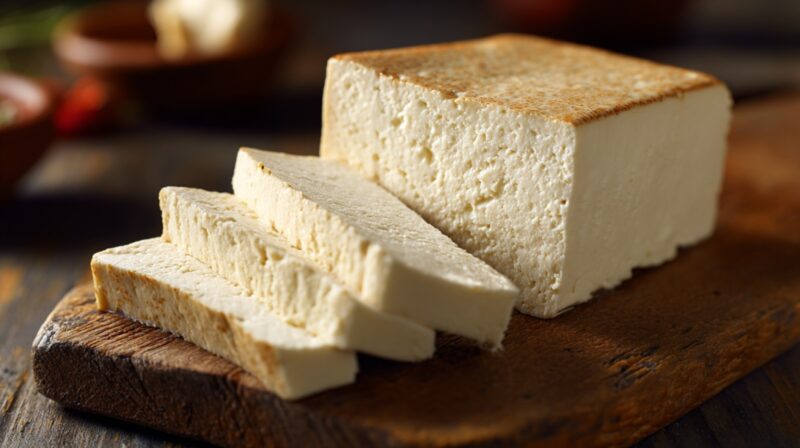
Tofu and tempeh provide high-quality plant protein with low saturated fat, making them effective replacements for animal-based protein sources. Increased protein intake supports fat loss through several metabolic pathways.
Protein content per serving:
| Food | Protein Content per 100 g |
|---|---|
| Tofu | ~10–15 grams |
| Tempeh | ~18–20 grams |
Higher protein intake increases the thermic effect of food, meaning more calories are burned during digestion compared to fats or carbohydrates.
Maintaining lean muscle mass is critical during fat loss. Muscle tissue helps sustain metabolic rate, preventing slowdowns in calorie burning.
- Improved satiety after meals
- Reduced likelihood of muscle loss
- Better overall body composition
Soy protein has been linked in some studies to reductions in abdominal fat, especially when combined with a calorie-controlled diet.
6. Fruits Rich in Fiber (Berries, Apples, Pears)
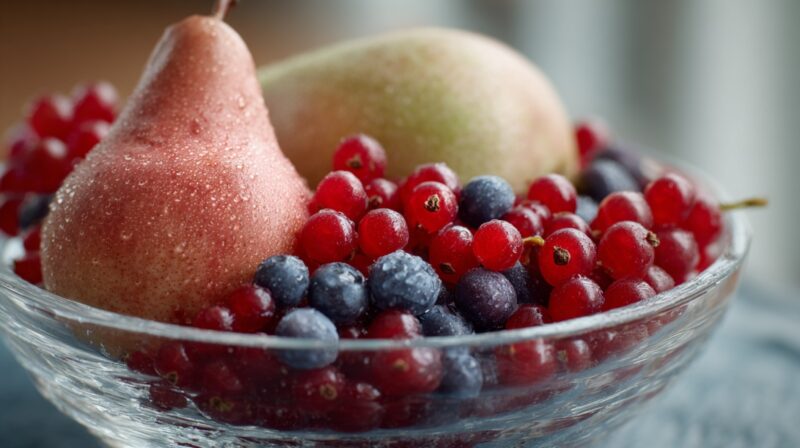
Fiber-rich fruits support fat loss by slowing digestion and controlling blood sugar levels. Slower absorption of natural sugars prevents spikes in insulin that contribute to fat storage.
Common fiber content per serving:
| Fruit | Fiber Content per Serving |
|---|---|
| Apples | ~4–5 grams |
| Pears | ~5–6 grams |
| Berries | ~3–8 grams |
Polyphenols and antioxidants found in fruits support fat metabolism and help reduce oxidative stress. Improved metabolic function contributes to more efficient fat utilization.
Low energy density allows higher food volume with fewer calories. Larger portions help increase satiety without exceeding calorie limits.
- Support fat metabolism
- Improve insulin sensitivity
- Provide high antioxidant levels
Regular fruit intake helps reduce cravings for high-calorie desserts, supporting long-term adherence to a fat loss plan.
7. Cruciferous Vegetables (Broccoli, Cauliflower, Brussels Sprouts)
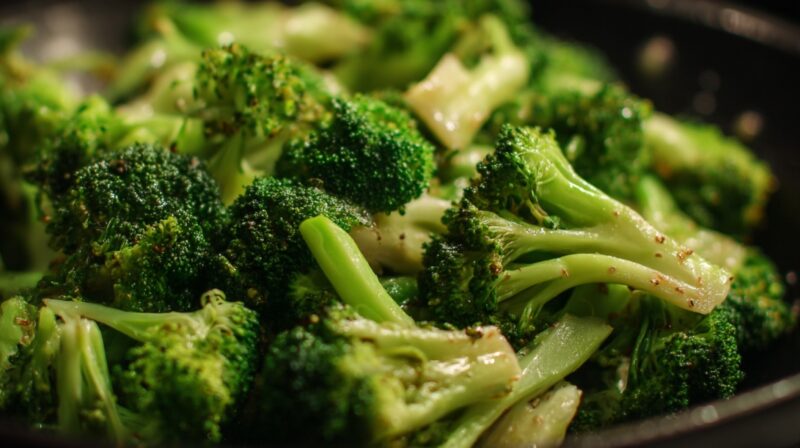
Cruciferous vegetables provide very low calorie density along with high fiber content, making them highly effective for fat loss. Large portions can be consumed while maintaining a calorie deficit.
Key nutritional traits include:
| Nutritional Trait | Benefit |
|---|---|
| High fiber content | Supports digestion and helps maintain fullness. |
| Low calorie count | Helps manage energy intake while adding food volume. |
| High water content | Contributes to hydration and satiety. |
Compounds found in these vegetables support detoxification processes and hormone balance. Balanced hormone levels play a role in fat distribution and storage.
Fiber content promotes fullness and reduces total calorie intake throughout the day. Improved gut health also contributes to better weight regulation.
- Reduced fat accumulation
- Improved digestion
- Better appetite control
Why Vegan Foods Help Reduce Belly Fat
High fiber intake plays a major role in reducing abdominal fat. Daily intake between 25 and 40 grams slows digestion and increases satiety, which helps control overall calorie intake.
- Slower gastric emptying
- Increased fullness signals
- Reduced hunger between meals
Low calorie density allows larger portions without exceeding calorie needs. Whole plant foods contain more water and fiber, which reduces calories per gram and supports sustained fullness.
The thermic effect of Food contributes to increased calorie burn. Protein-rich plant foods require more energy during digestion, increasing total daily energy expenditure.
Improved insulin sensitivity helps prevent excess energy from being stored as fat. Stable blood sugar levels reduce fat accumulation in the abdominal area.
Gut health improves through consistent fiber intake. Beneficial bacteria use fiber as fuel, producing compounds linked to better fat regulation.
Foods to Avoid on a Vegan Fat Loss Diet
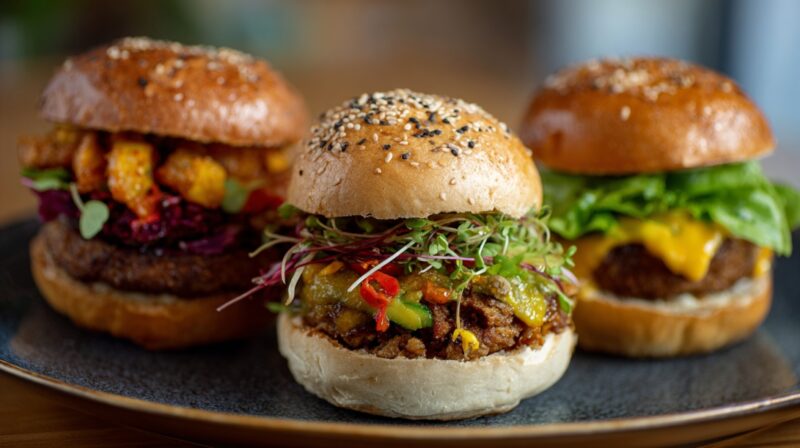
Processed vegan foods often contain high levels of oils and sodium, making them calorie-dense and less effective for fat loss. Common examples include: vegan burgers, mock meats, and packaged snacks.
Even McDonald’s vegan options should be avoided; be serious if you want serious results!
Refined carbohydrates such as white bread, pastries, and sugary cereals cause rapid spikes in blood sugar. Frequent spikes increase insulin levels and promote fat storage, especially around the abdomen.
Excess oil intake adds calories quickly. Just one tablespoon of oil contains about 120 calories, making it easy to exceed daily energy needs without feeling full.
Hidden sugars are often found in products marketed as healthy. Checking ingredient labels helps identify added sugars and prevent unnecessary calorie intake.
Reducing intake of these foods supports better calorie control and improves overall fat loss results.
Summary
Belly fat loss on a vegan diet depends on several key factors. High fiber intake supports fullness and reduces calorie intake. Calorie density control allows larger portions with fewer calories. Adequate plant protein helps preserve muscle and increase calorie burn.
Seven foods listed above provide strong nutritional support for fat loss. Each option contributes to satiety, metabolic health, and reduced fat storage.
Sustainable fat loss comes through consistency and balanced eating habits rather than restriction.

Hello, my name is Marina Vlasov. Im currently trying to change my career from my current job to becoming a chef. It is a hard road, but I feel like im coming there soon. While I enjoy preparing practically all food, from various cuisines from all over the globe, I must say that I mostly enjoy preparing vegan food. That is my strongest side. That is why I want to provide you with the best vegan food recipes on this blog of mine.