
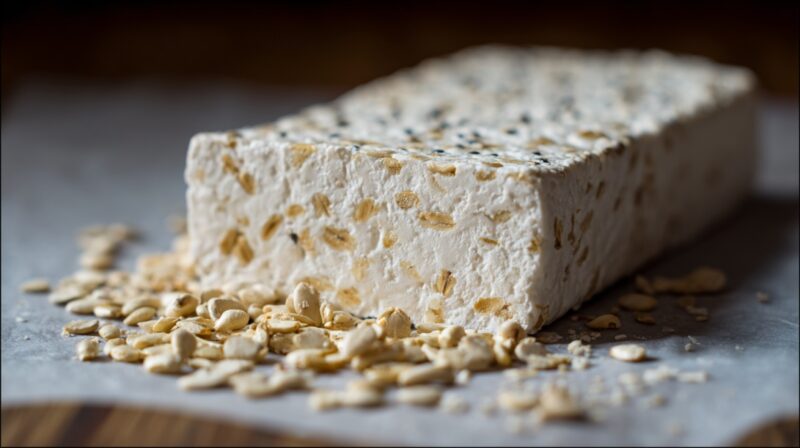
What is the Right Way to Cook Tempeh (Without Bitterness)
Tempeh is a traditional Indonesian food made by fermenting whole soybeans and pressing them into a firm, sliceable cake.
Fermentation binds the beans together while also enhancing their nutritional value.
Compared to tofu, tempeh contains more protein, fiber, and micronutrients since it uses whole soybeans rather than processed soy milk.
A common challenge appears during first attempts at cooking tempeh. Many people notice a slightly bitter or earthy taste that can feel off-putting.
That bitterness often comes from natural fermentation compounds and the dense structure of the soybeans.
With the right approach, tempeh becomes a satisfying and versatile protein option.
Let’s see how it goes.
Key Step #1 – Pre-Cooking (Steaming or Simmering)

Preparation begins with a step that many beginners skip, yet it has the strongest impact on taste. Pre-cooking changes both texture and flavor, making tempeh far more enjoyable. Heat combined with moisture reduces bitterness and softens the dense soybean structure.
Once loosened, tempeh becomes far more receptive to seasoning.
Pre-cooking works because it removes harsh fermented notes and hydrates the interior. Dense, compact beans begin to relax, allowing liquids to move inward instead of staying on the surface. As a result, every later step becomes more effective.
- Place tempeh in a steamer basket and cook for 10 to 15 minutes
- Cook tempeh in water, broth, or lightly salted liquid for about 10 minutes
Steaming is often preferred because it reduces bitterness without washing away flavor. Texture becomes tender while still holding structure. Simmering adds another advantage by introducing flavor early, especially when aromatics are added to the liquid.
Texture improves noticeably after either method. Firm and slightly dry consistency softens, while any raw or overly fermented taste fades. Prepared tempeh then acts like a sponge, ready to absorb bold marinades in the next step.
Key Step #2 – Cutting and Preparing Tempeh
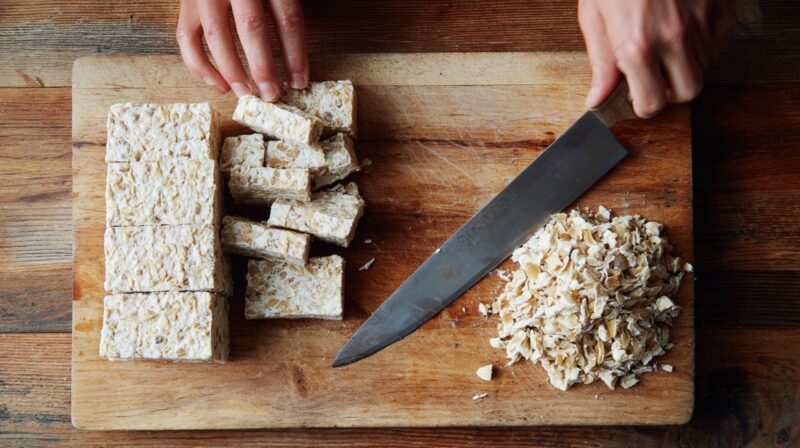
Shape and size influence how tempeh cooks and how it absorbs flavor. Cutting is not just a visual choice, since it directly affects texture and seasoning.
Smaller pieces expose more surface area, allowing marinades to reach deeper into the interior.
Different cutting styles work better for different dishes. Thinner pieces tend to deliver stronger flavor since marinades penetrate more easily. Thicker cuts offer a heartier bite but may need longer marination or cooking time.
Another preparation method adds even more texture. Some cooks tear tempeh by hand instead of slicing it. Uneven edges created by tearing help sauces cling more effectively, leading to a more flavorful result in each bite.
Consistency in size also matters. Even pieces cook at the same rate, preventing some parts from becoming too dry while others remain undercooked. Careful preparation at this stage sets up better results during cooking.
Key Step #3 – Marinating for Flavor

Flavor development depends heavily on marination. Tempeh has a mild, slightly earthy base that becomes far more appealing once paired with bold ingredients. After pre-cooking, structure opens up and absorbs liquids quickly.
Balanced marinades rely on a combination of elements that work together to reduce bitterness and add depth.
- Umami – soy sauce, tamari, or miso
- Acid – rice vinegar, lime juice, or apple cider vinegar
- Sweetness – maple syrup, honey, or brown sugar
- Fat – sesame oil or olive oil
- Aromatics – garlic, ginger, chili paste
Umami builds depth, acid brightens the flavor, and sweetness softens any remaining bitterness. Oils help carry flavor across the surface, while aromatics add intensity.
- Teriyaki-style sauces for a sweet and savory balance
- Peanut-based marinades for creamy, bold flavor
- Soy, garlic, and ginger combinations for a classic savory base
Marinating time affects the final result. Short soaking periods of 15 to 30 minutes still improve taste. Longer sessions allow flavors to move deeper into the tempeh. Overnight marination produces the most pronounced flavor.
Another technique speeds up the process. Tempeh can be simmered directly in the marinade, allowing heat to push flavors inside more quickly. The resulting texture becomes infused and more satisfying in less time.
Key Step #4 – Cooking Methods That Reduce Bitterness
Cooking method determines final texture and flavor intensity. Proper heat application enhances nuttiness while reducing any remaining bitterness.
Pan-Frying or Sautéing
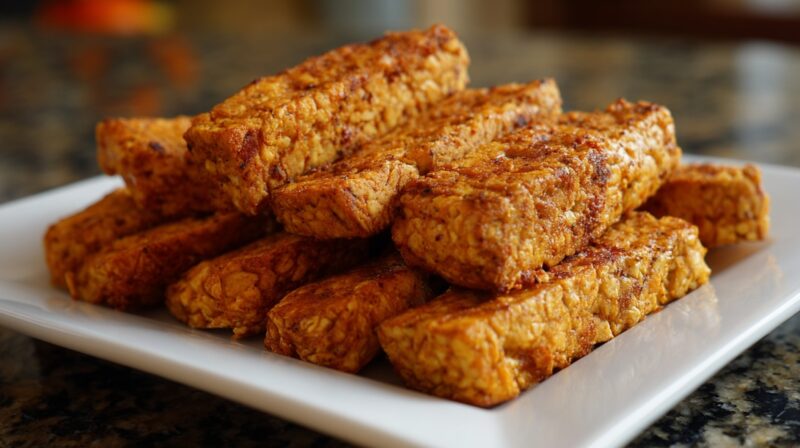
Pan-frying remains one of the most widely used techniques. Hot oil creates a crisp exterior and a golden-brown surface. Browning adds depth and enhances natural nuttiness.
- Cook marinated tempeh to build a stronger flavor
- Avoid overcrowding the pan to ensure even browning
- Turn pieces occasionally to achieve a consistent crust
Baking or Roasting
Oven cooking offers a reliable way to develop flavor while keeping the process simple. Steady, even heat allows tempeh to cook through without constant attention. Caramelization happens gradually, bringing out a slightly sweet and nutty taste that helps reduce bitterness.
Temperature plays an important role in achieving the right texture. A range between 375 and 400 degrees
Fahrenheit allows the outside to brown while the inside stays tender. Lower temperatures may leave tempeh soft without much color, while higher heat risks drying it out too quickly.
Preparation before baking improves the final result. Coating tempeh in marinade ensures flavor spreads across every piece. Arranging pieces in a single layer prevents steaming and allows proper browning.
Edges become slightly crisp while the inside remains moist. Resulting texture works well in bowls, wraps, or as a protein addition to roasted vegetables.
Grilling
Grilling adds a bold, smoky flavor that pairs well with tempeh’s natural nuttiness. Direct heat creates charred edges that bring depth and reduce any lingering bitterness. Strong marinades perform especially well with this method since heat intensifies their flavor.
Slice thickness matters during grilling. Thicker pieces hold their shape and resist breaking apart over open flames. Thin slices may cook too quickly and become dry.
Light charring enhances taste without overpowering it. Finished tempeh gains a firm exterior with a slightly tender center, making it a good option for sandwiches, skewers, or salads.
Simmering in Sauce
Simmering allows tempeh to fully absorb surrounding flavors, making it one of the most effective ways to reduce bitterness. Slow cooking in liquid softens texture while infusing each piece with seasoning.
Dishes that benefit most often include curries, stews, and braised meals. Thick sauces coat tempeh and penetrate deeply over time. Longer cooking periods create a more cohesive flavor throughout the dish.
Gentle simmering works best. High heat can cause sauce to reduce too quickly without allowing enough time for absorption. Lower heat maintains moisture and ensures even flavor distribution.
Texture becomes softer compared to dry cooking methods, making this approach ideal for those who prefer a more tender bite.
View this post on Instagram
Air Frying
Air frying provides a quick and efficient way to achieve a crisp texture without heavy oil use. Rapid air circulation surrounds each piece, creating a golden exterior similar to frying. Interior stays tender, especially when tempeh has been pre-cooked and marinated.
Time and spacing affect the outcome. Overcrowding the basket can prevent proper airflow, leading to uneven cooking. Keeping pieces in a single layer allows heat to reach all sides.
Cooking time is generally shorter than other methods, making it a convenient option for quick meals. Finished tempeh develops a crisp outer layer while maintaining a flavorful, tender interior.
Summary
Cooking tempeh without bitterness depends largely on the preparation technique.
Pre-cooking through steaming or simmering softens texture and removes harsh flavors. Marination adds depth and balances taste. Proper cooking methods bring out a savory, nutty profile.
A simple sequence delivers consistent results: steam or simmer, then marinate, followed by a flavorful cooking method.
Handled correctly, tempeh becomes a satisfying, hearty, and versatile protein suitable for a wide range of meals.

Hello, my name is Marina Vlasov. Im currently trying to change my career from my current job to becoming a chef. It is a hard road, but I feel like im coming there soon. While I enjoy preparing practically all food, from various cuisines from all over the globe, I must say that I mostly enjoy preparing vegan food. That is my strongest side. That is why I want to provide you with the best vegan food recipes on this blog of mine.