
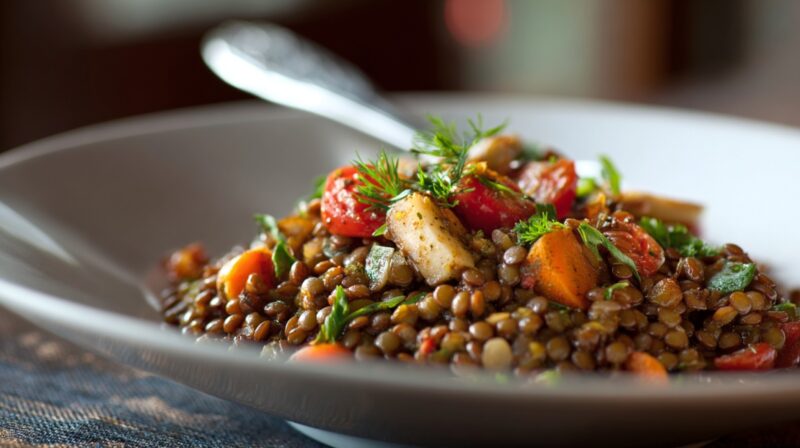
Lentils Guide – Types and Cooking Time
Lentils are small, lens-shaped legumes that cook faster than most dried beans.
Many cuisines rely on them as a staple ingredient, including:
- Indian
- Middle Eastern
- Mediterranean
Low cost, long shelf life, and flexibility in recipes make lentils a practical pantry item. Natural gluten-free properties also make them suitable for plant-based diets.
To make it easier to understand for those who do not have appropriate knowledge about lentils, we will discuss it in greater detail.
What are the Types of Lentils?
Lentils vary in color, size, texture, and cooking behavior. Being aware of these differences helps with choosing the right lentil for each recipe.
Brown Lentils
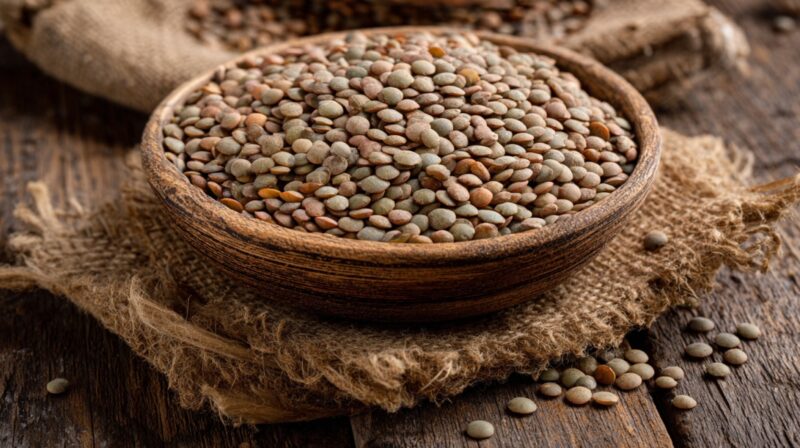
Brown lentils are one of the most common varieties found in stores. Mild, earthy flavor makes them easy to pair with many ingredients. Texture holds for a short time but gradually softens, especially if cooking continues too long.
- Cooking time of about 20 to 30 minutes
- Medium-sized with a neutral taste profile
- Ability to absorb surrounding flavors during cooking
Soups and stews benefit from their softening texture. Meal prep also works well since they are affordable and easy to cook in large batches. Many cooks rely on brown lentils as a general-purpose option.
Green Lentils
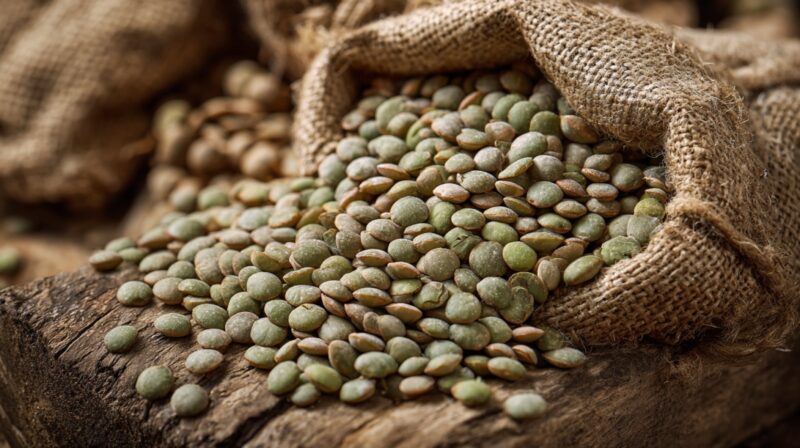
Green lentils offer a firmer texture and a slightly peppery taste. Larger size compared to brown lentils gives them more structure during cooking.
- Cooking time of about 25 to 35 minutes
- Firm texture that holds shape well
- Stronger flavor that stands out in simple dishes
Salads and grain bowls often use green lentils because they stay intact. Structure remains consistent even after full cooking, which helps maintain presentation.
French Green Lentils (Puy)
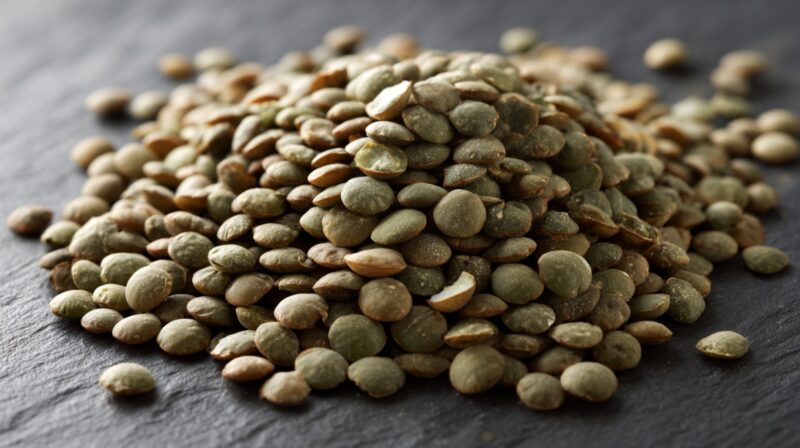
French green lentils, often called Puy, are smaller and darker than the standard green variant. Flavor leans nutty and more pronounced. Texture remains firm even after longer cooking.
- Cooking time of about 25 to 30 minutes
- Excellent shape retention
- Slightly denser texture compared to other varieties
Warm salads and side dishes benefit from their ability to stay intact. Many cooks choose them when texture matters most in the final dish.
Red and Yellow Lentils
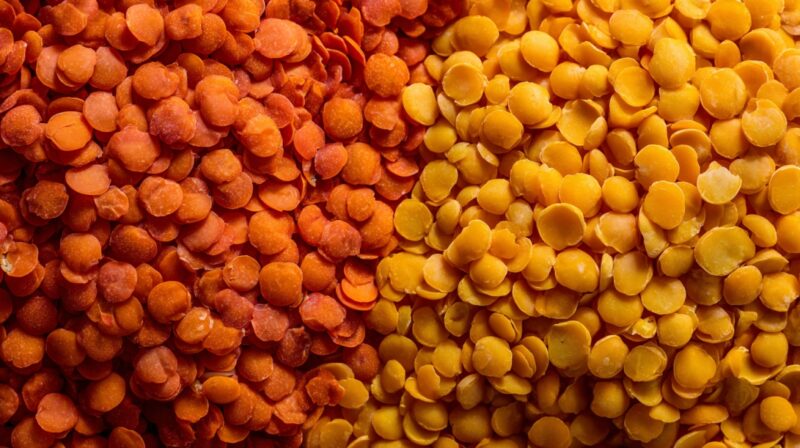
Red and yellow lentils are split and hulled, which speeds up cooking. Texture breaks down quickly and creates a smooth consistency.
- Cooking time of about 15 to 20 minutes
- Soft texture that becomes creamy
- Mild flavor that pairs well with spices
Dals, curries, and pureed soups rely on this texture. Shape does not hold, so these lentils are not suitable for dishes that require structure.
Black Lentils (Beluga)
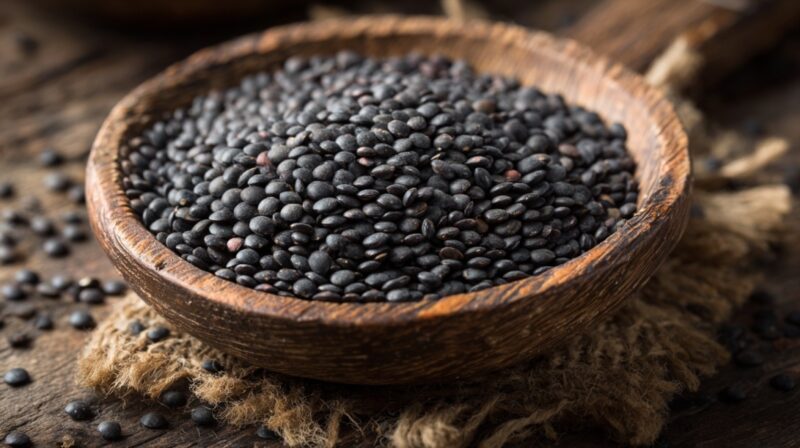
Black lentils, also known as beluga, are small and glossy. Appearance resembles caviar, which makes them visually appealing on the plate. Flavor is earthy and slightly deeper compared to other types.
- Cooking time of about 25 to 30 minutes
- Firm texture after cooking
- Strong visual contrast in finished dishes
Salads and plated meals benefit from their appearance and texture. Shape remains intact, which helps maintain a polished look.
What are the Nutritional Benefits?
| Nutrient | Amount (per 1 cup cooked) |
|---|---|
| Calories | ~230 kcal |
| Protein | ~18 g |
| Fiber | ~15–16 g |
| Carbohydrates | ~40 g |
| Fat | <1 g |
| Iron | ~6–7 mg |
| Folate (Vitamin B9) | ~350 mcg |
| Magnesium | ~70 mg |
| Potassium | ~700 mg |
| Glycemic Index | Low (~20–30) |
Lentils provide a dense mix of protein, complex carbohydrates, fiber, and essential minerals while remaining low in fat and moderate in calories. Around 100 grams of cooked lentils contain about 116 calories, making them suitable for balanced meals.
Protein content is a key strength. One cooked cup delivers close to 18 grams of protein, supporting muscle maintenance and overall body function. When paired with grains, lentils can contribute to a more complete amino acid profile.
Fiber content is also high, including both soluble and insoluble types. This supports digestion, promotes fullness, and helps regulate appetite. Resistant starch in lentils also contributes to gut health.
Micronutrients add further value. Lentils supply iron for oxygen transport, folate for cell production, and magnesium for muscle and nerve function. Additional minerals, such as potassium, support heart health.
Low-fat content supports heart-conscious eating, while plant compounds like polyphenols provide antioxidant effects linked to reduced risk of chronic disease. It is a great meal for fat loss and metabolism improvement.
Low glycemic index allows lentils to release energy slowly. Blood sugar levels remain more stable, which helps maintain consistent energy throughout the day.
Plant-based diets often include lentils as a substitute for meat due to their protein density and versatility in cooking.
How to Prepare them?
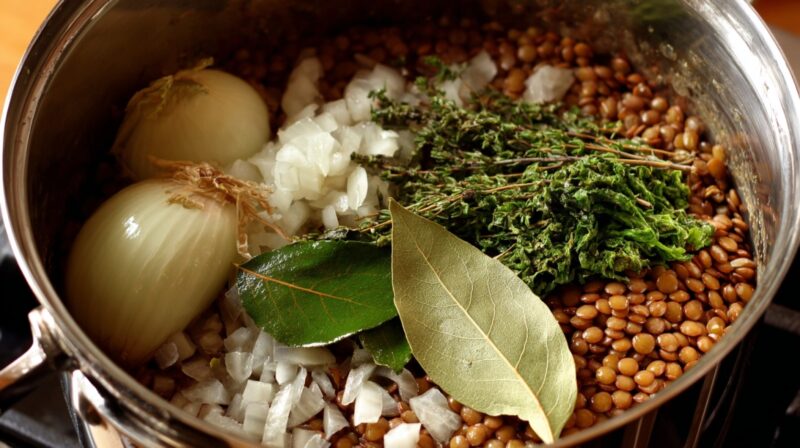
Preparation remains straightforward and does not require advanced techniques. Simple steps before cooking can improve both texture and final flavor.
Sorting and Rinsing
Lentils should be checked briefly before cooking. Small debris or stones can occasionally be present, especially in bulk or packaged varieties.
Spreading them across a flat surface allows for a quick visual inspection. Any unwanted particles should be removed before rinsing. Running cold water over them helps wash away dust and surface residue.
Lentils are generally cleaner than many other dried legumes, yet a quick inspection step remains important for safety and consistency.
Is Soaking Necessary?
Soaking is not required, which makes lentils one of the most convenient legumes to prepare. Cooking can begin immediately after rinsing without affecting most recipes.
Optional soaking can still offer minor advantages. Slightly shorter cooking time may result, and some people find soaked lentils easier to digest. Despite these benefits, most cooking methods skip soaking entirely due to the already short cooking time.
Flavoring Basics
Flavor develops during cooking, so early ingredient choices matter. Cooking liquid sets the base, with water creating a neutral result and broth adding more depth.
Aromatics such as onion, garlic, bay leaf, and herbs are often added at the beginning. These ingredients infuse the lentils as they cook, leading to a more layered taste.
The timing of seasoning affects both texture and flavor. Salt can be added early in moderate amounts or later for more control over seasoning. Acidic ingredients like tomatoes, vinegar, or lemon juice should be introduced only after the lentils begin to soften.
Early addition of acid can slow the cooking process and lead to a firmer texture than intended.
Cooking Methods
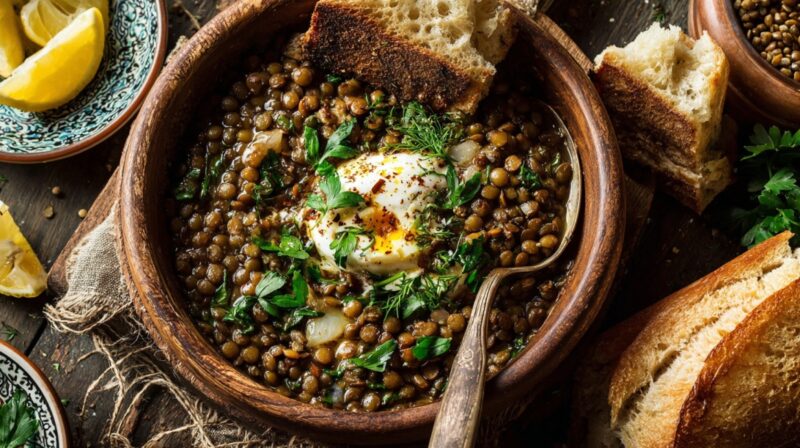
Cooking lentils successfully depends on managing liquid, temperature, and timing. Proper control of these elements leads to even cooking and balanced texture.
Stovetop Method (Standard Method)
Stovetop cooking remains the most common approach due to its simplicity and control. Typical ratio uses 1 cup of lentils to about 2½ to 3 cups of liquid.
Cooking begins by bringing the liquid to a boil. Heat is then reduced to a gentle simmer, allowing them to cook gradually. Cooking can be done uncovered or partially covered, depending on how much evaporation is desired.
Foam often forms on the surface during early stages and should be skimmed off. Occasional stirring helps prevent sticking and ensures even cooking. Liquid levels should be checked throughout the process, with additional liquid added if needed.
Gentle simmering is important, since rapid boiling can cause uneven texture and break down lentils too quickly.
Alternative Methods
Other methods can reduce cooking time or improve efficiency when preparing larger quantities.
Pressure cookers and Instant Pots significantly shorten cooking time, often completing the process in as little as 6 to 15 minutes, depending on the type of lentil. Consistent pressure and heat allow for fast and even cooking without constant monitoring.
Batch cooking works well for meal preparation. Larger quantities can be cooked at once and stored for later use in multiple dishes. Lentils maintain quality well when refrigerated or frozen.
Pre-soaking is not required for pressure cooking, which keeps preparation simple and efficient.
The Bottom Line
Lentils are easy to prepare and highly adaptable in cooking. Different varieties fit different types of dishes. Minimal preparation and relatively short cooking time make them accessible for beginners.
Proper technique allows control over texture, producing either firm or soft, creamy results.
Mastering basic elements such as type selection, cooking time, and seasoning opens the door to a wide range of meals.

Hello, my name is Marina Vlasov. Im currently trying to change my career from my current job to becoming a chef. It is a hard road, but I feel like im coming there soon. While I enjoy preparing practically all food, from various cuisines from all over the globe, I must say that I mostly enjoy preparing vegan food. That is my strongest side. That is why I want to provide you with the best vegan food recipes on this blog of mine.