
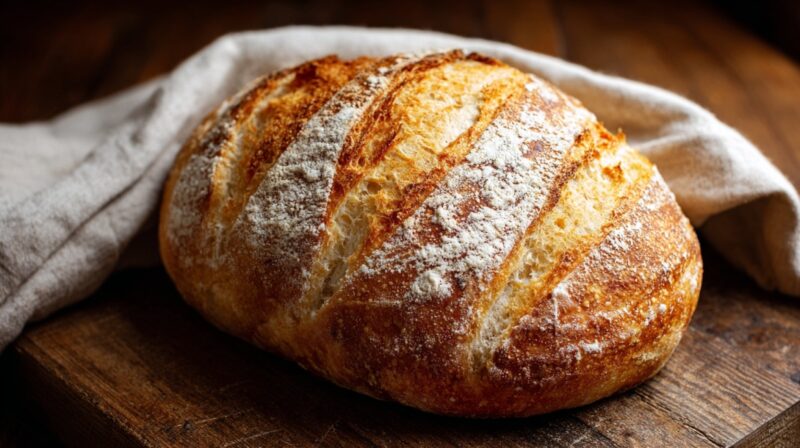
Is Bread Vegan? What to Look For
Bread often gets treated as an automatically vegan food. That idea sounds simple, but it is not always correct.
Many loaves are plant-based by default, especially traditional kinds made with only a few basic ingredients. Others include dairy, eggs, honey, or additives that make them unsuitable for a vegan diet.
Confusion usually starts when shoppers assume all bread follows the same formula. Simple artisan loaves and basic sandwich breads can be vegan, yet sweeter, softer, or more processed products may contain animal-derived ingredients.
Ingredient lists can also include additives that are less familiar and harder to identify at a glance.
Can We Count it as Vegan?
Bread is one of those foods people often assume is vegan without giving it much thought. That assumption makes sense at first.
Many of the most familiar loaves are built on a very simple formula that does not call for any animal products at all.
Flour, water, yeast, salt, and sometimes sugar are enough to make many traditional breads, which is why a large share of everyday bread can fit comfortably into a vegan diet.
At the same time, bread is not automatically vegan just because it looks plain.
Texture, softness, sweetness, and shelf life often depend on extra ingredients that change the picture. Milk can make bread softer. Butter can add tenderness and flavor.
Eggs can improve structure and create a softer crumb. Honey can be used as a sweetener in products that might otherwise seem plant-based. More processed breads can also include dough conditioners, enrichments, or added vitamins that are not always clearly plant-based.
A practical way to think about it is simple. Plain bread is often a good starting point, but every loaf still deserves a quick label check when ingredients go past the basics.
Once bread becomes softer, sweeter, or more processed, the chances of animal-derived ingredients usually go up.
@friendlyveg Is bread vegan? Most of the time, yes! it’s good to double check if you’re unsure. #vegan #vegantips #veganbread ♬ original sound – riri 🌱
Types of Bread That Are Often Vegan
Many breads are often vegan when recipes stay close to traditional methods.
Simpler breads usually rely on a short ingredient list, which lowers the chance of hidden animal products.
That is why crusty artisan loaves and plain flatbreads are often easier to work with than sweet or extra-soft commercial breads.
Sourdough is a strong example. Traditional sourdough often contains little more than flour, water, salt, and a fermented starter. Rye bread is also often vegan, though some recipes add sweeteners or dairy ingredients.
Whole wheat bread and white bread can be vegan too, especially when they keep to a basic formula, though brand differences matter quite a bit.
View this post on Instagram
- Ciabatta often uses flour, water, yeast, salt, and olive oil
- French baguettes are frequently made with only a few basic ingredients
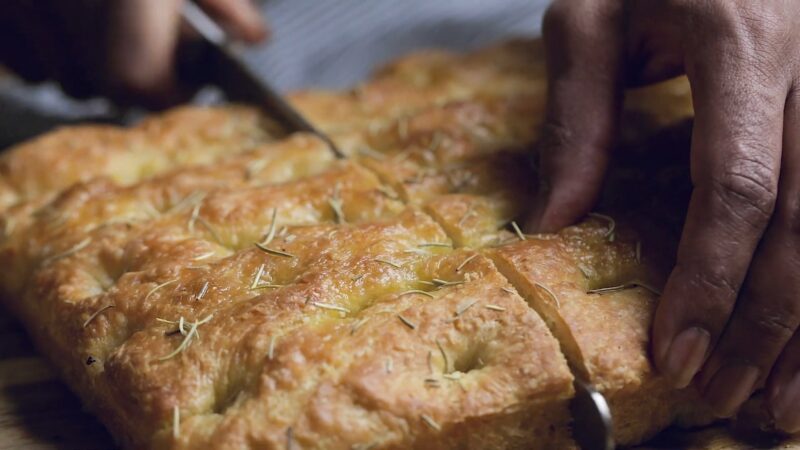
- Focaccia is often vegan when topped with herbs, oil, and salt rather than cheese or butter
- Pita and other plain flatbreads are often plant-based
- Bagels are commonly vegan, especially the most basic varieties
Rolls and English muffins can also be vegan, but they are less predictable. Some are very simple, while others include milk, butter, or dough softeners that change their status.
Whole wheat and white sandwich breads fall into a similar category. Some are completely plant-based, while others contain milk powder, honey, or conditioners with unclear sourcing.
Recipe differences matter at every level. One bakery’s rye loaf may be vegan, while another version may include honey or dairy.
One store-brand bagel may be plant-based, while another may include additives that raise questions. “Often vegan” is useful as a starting point, but it should never replace checking the ingredient list.
Why Some Bread Is Not Vegan
Bread becomes non-vegan as soon as it includes animal-derived ingredients. Sometimes that is obvious right away.
In other cases, it takes a closer look because certain additives or dough conditioners do not clearly state where they come from.
Both situations matter, especially with packaged bread that contains longer ingredient lists.
Obvious non-vegan ingredients
Some ingredients clearly signal that a bread is not vegan. Those ingredients are usually the easiest to spot and the easiest to judge.
Once any of them appears on the label, the bread should not be counted as vegan.
- Eggs
- Milk
- Butter
- Cream
- Whey
- Casein or caseinate
- Honey
- Lard
Eggs can add structure, color, and softness. Milk and cream can create a softer texture and a slightly sweeter taste. Butter adds tenderness and a fuller flavor.
Whey, casein, and caseinate come from milk and can appear in packaged loaves that do not look especially indulgent.
Honey is sometimes used to sweeten bread marketed as wholesome or natural. Lard can still appear in certain traditional or regional recipes.
Spotting those ingredients is usually the easiest part of label reading. Any loaf that contains them should not be treated as vegan, no matter how plain it looks on the outside.
View this post on Instagram
Less obvious or sneaky ingredients
Harder cases usually involve ingredients that sound technical or incomplete on a label.
Those are the ones that create the most confusion because a name alone does not always reveal if the source is plant-based or animal-derived.
L-cysteine, also called E920, is a good example. It can be used as a dough conditioner, and its source is not always vegan.
Mono- and diglycerides can come from plants or animals.
Enzymes can also be difficult to judge because labels rarely explain their origin.
Vitamin D3 may be animal-derived in some products.
Milk powder can quietly appear in enriched white flour or especially soft breads, which makes it easy to miss if someone only checks for obvious dairy terms like milk or butter.
Confusion tends to grow in products that aim for softness, longer shelf life, or a highly processed texture. That is why a loaf that looks harmless can still contain ingredients that deserve a second look.
- L-cysteine or E920 can be used to improve dough handling
- Mono- and diglycerides may come from plant or animal sources
- Enzymes are often listed without enough detail to confirm their origin
- Vitamin D3 is not always plant-based
- Milk powder can appear in enriched white breads and soft sandwich loaves
None of these ingredients automatically makes a bread non-vegan in every single case. The problem is that their origin is not always obvious, so extra checking may be needed when a product does not carry a clear vegan claim.
Breads Most Likely to Be Non-Vegan
Some bread styles deserve more caution because their recipes often rely on butter, eggs, milk, or similar ingredients. Softer and sweeter breads are usually the first place where animal products show up.
That does not mean every version is non-vegan, but it does mean shoppers should expect a higher chance of animal-derived ingredients.
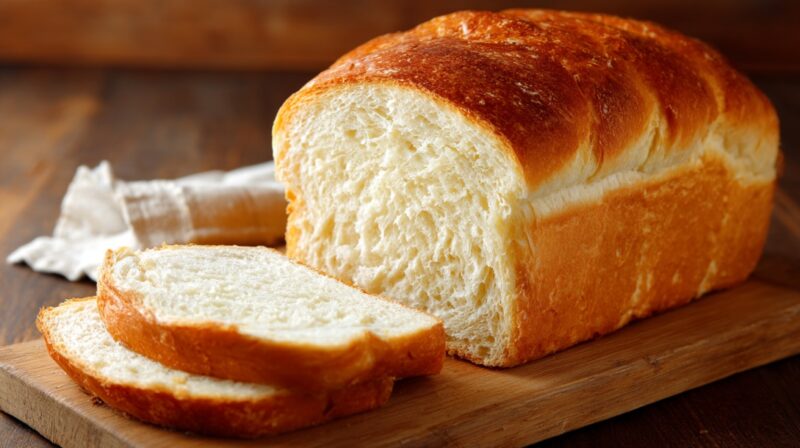
Brioche is one of the clearest examples. Its soft texture and buttery flavor usually come from eggs and butter. Challah often includes eggs, which help create its glossy surface and tender crumb.
Croissants are also very likely to be non-vegan because butter is central to their texture and layering.
Other breads can be less obvious, but they still deserve close checking.
Garlic bread often contains butter. Banana bread usually includes eggs and dairy. Biscuits frequently rely on butter or milk. Some naan recipes include yogurt or milk.
Some crumpets may contain milk. Enriched white breads and very soft sandwich breads can also include milk powder, whey, or other non-vegan additions meant to improve softness and shelf life.
A useful pattern helps sort these breads faster. Products that feel richer, sweeter, softer, or more pastry-like are more likely to contain animal products.
That pattern is not perfect, but it is a strong rule of thumb that works well in daily shopping.
- Brioche
- Challah
- Croissants
- Sweet breads
- Garlic bread
- Banana bread
- Biscuits
- Some naan
- Some crumpets
- Enriched white breads or soft sandwich breads
Basic crusty loaves are often a safer bet than fluffy or dessert-like breads. Visual appearance can help a little, but ingredients still decide the final answer.
What to Look For on the Label
Label reading is what turns guesswork into a reliable habit. Many breads can look almost identical on the shelf while having very different ingredient lists.
A loaf that appears simple may still contain dairy, honey, or additives with unclear sourcing.
Careful reading matters most when bread is packaged, enriched, or marketed as extra soft.

Start with the Ingredient List
Ingredient lists should always be the first stop. The most obvious animal products are easy to identify once you know what to scan for.
Milk, butter, eggs, whey, honey, cream, and lard are usually the fastest red flags to spot.
After that first scan, attention should shift to the less obvious ingredients.
Additives such as L-cysteine, mono- and diglycerides, enzymes, and vitamin D3 are not always animal-derived, but they can be.
Products with long ingredient lists deserve extra caution because a bigger formula usually means more room for hidden non-vegan components.
Longer labels often make a loaf less predictable. Simpler bread tends to be easier to assess, while heavily processed products may require a slower read.
Watch for Regional or Bakery Differences
Packaged store-bought bread usually gives shoppers the advantage of a full ingredient list.
That makes decision-making much easier. Bakery bread can be harder to assess because labels are not always complete, easy to find, or detailed enough to answer ingredient questions on the spot.
Fresh rolls, bake-off items, and pastry-style breads can be especially misleading. They may look plain, but they often rely on dairy or eggs to create a softer texture or a more golden finish.
Supermarket wholemeal breads are often more reliably plant-based than bakery pastries or hot bread counter items, simply because the packaged version usually provides more detail and often sticks to a simpler formula.
Regional habits can also affect what goes into bread. A bread that is vegan in one area may contain milk, honey, or lard in another version somewhere else.
That is another reason ingredient checking matters more than assumptions about the bread’s name.
Summary
Bread is often vegan, but not always.
- Flour
- Water
- Yeast
- Salt
Problems usually appear when bread becomes enriched, sweetened, softened, or heavily processed.
The best approach is to check the ingredient list for obvious animal products and for less obvious additives that may need more attention.
Simple, traditional breads are usually the safest place to start.

Hello, my name is Marina Vlasov. Im currently trying to change my career from my current job to becoming a chef. It is a hard road, but I feel like im coming there soon. While I enjoy preparing practically all food, from various cuisines from all over the globe, I must say that I mostly enjoy preparing vegan food. That is my strongest side. That is why I want to provide you with the best vegan food recipes on this blog of mine.