
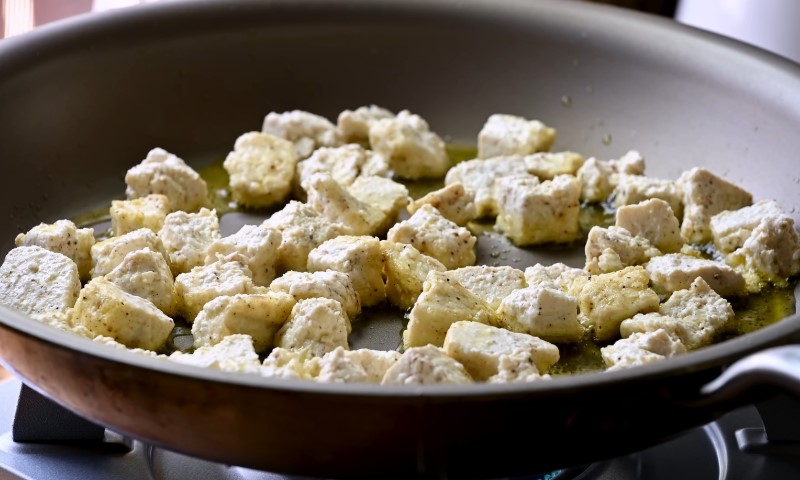
How To Cook Tofu In A Pan Without It Falling Apart
Cooking tofu in a pan sounds simple until it turns into a crumbly mess that sticks, tears, and refuses to brown evenly. Plenty of people walk away from tofu after one bad pan-frying experience, convinced it is fragile or fussy. In reality, tofu behaves predictably once a few fundamentals fall into place.
Pan-fried tofu can be crisp on the outside, creamy in the middle, and sturdy enough to flip with confidence. Getting there depends less on fancy tools and more on small decisions that add up. Texture selection, moisture control, heat management, and timing all matter. Skip one, and tofu lets you know.
Here’s a practical, kitchen-tested guide written for home cooks who want tofu that holds together, browns properly, and feels reliable in the pan. Let’s begin.
Choosing the Right Tofu for Pan Cooking
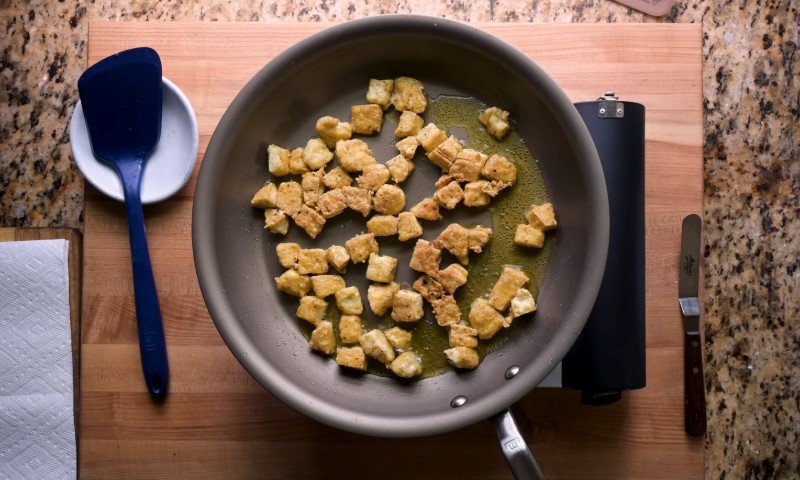
Not all tofu belongs in a frying pan. Texture choice sets the ceiling for how well tofu will hold together.
Best Tofu Types for Pan Frying
For pan cooking, stick to:
- Extra-firm tofu
- Super-firm tofu
Extra-firm tofu works well for most recipes and remains widely available. Super-firm tofu contains even less water and often comes vacuum-packed. It behaves almost like a soft cheese when sliced and stands up beautifully to heat.
Tofu Types That Struggle in a Pan
Avoid pan-frying:
- Silken tofu
- Soft tofu
- Medium tofu
Those varieties shine in soups, sauces, or chilled preparations. In a skillet, they break down fast, even with careful handling.
If only firm tofu is available, it can work, though pressing becomes more important and slices should stay thicker.
How Pressing Tofu Prevents Crumbling
Pressing tofu is not a trendy step. It is structural engineering.
What Pressing Actually Does
Pressing removes excess water from the tofu block. Less water leads to:
- Better browning
- Firmer texture
- Reduced sticking
- Stronger surface crust
That surface crust is what allows flipping without tearing.
Simple Pressing Method Without Special Tools
No tofu press required.
- Drain the tofu and remove packaging
- Wrap the block in a clean kitchen towel or paper towels
- Place it on a plate
- Set a flat object on top, such as a cutting board
- Add weight using a pan, book, or canned goods
- Let it press for 20 to 30 minutes
If time runs short, even 10 minutes helps more than skipping the step.
When Pressing Matters Most
Pressing becomes essential when:
- Using firm rather than extra-firm tofu
- Planning to slice tofu thinly
- Cooking at higher heat
- Skipping breading or coating
Moisture control equals structural integrity.
How to Cut Tofu So It Stays Intact
Cut size and shape affect how tofu handles stress in the pan.
Ideal Shapes for Pan Frying
Reliable options include:
- Rectangles about 1 inch thick
- Cubes at least 3/4 inch wide
- Slabs sliced lengthwise
Thin tofu slices cook faster, though they break more easily. Thicker cuts offer a buffer while learning the technique.
Cutting Tips That Help
- Use a sharp knife to avoid tearing
- Cut straight down rather than sawing
- Keep sizes consistent for even cooking
Uneven pieces cook at different rates, tempting premature flipping.
The Importance of Pan Choice
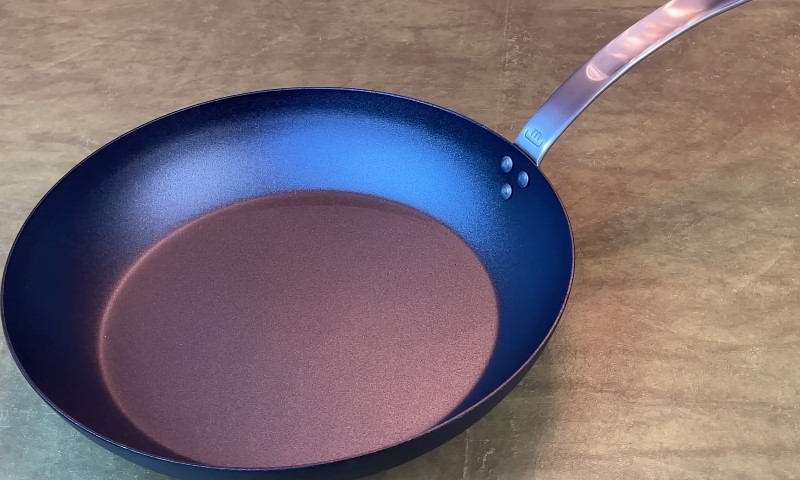
The pan itself can work for or against you.
Best Pans for Pan-Fried Tofu
- Cast iron
- Heavy stainless steel
- Well-seasoned carbon steel
Those pans retain heat and encourage crust formation.
Pans That Require Extra Care
- Nonstick pans
Nonstick works, though it requires patience with heat control and oil coverage. Overheating can degrade the surface, while underheating causes sticking.
Avoid lightweight pans that lose heat quickly when tofu hits the surface.
Oil Selection and How Much to Use
Tofu needs oil. Skimping leads to sticking and tearing.
Best Oils for Pan Cooking Tofu
Choose oils with moderate to high smoke points:
- Neutral vegetable oil
- Avocado oil
- Peanut oil
- Canola oil
Olive oil works at medium heat but can smoke if pushed too hard.
How Much Oil Is Enough
Aim for a thin, even layer coating the pan. Tofu should sizzle gently when added, not float.
A good rule of thumb:
- 1 to 2 tablespoons for a standard skillet
Spread oil evenly before heating.
Pan Temperature
@my.wellnest Replying to @michela DID I GET IT RIGHT THIS TIME? 🥹🥹🥹 testing my IKEA non toxic, stainless steel pan in low heat to cook tofu & eggs to see if it remains non-stick @IKEAUK #stainlesssteel #stainlesssteelpan #nontoxicliving #cleantok #kitchengadgets #cookware
Heat level controls whether tofu browns or sticks.
Starting Temperature
Begin with medium to medium-high heat. Let the pan heat fully before adding tofu.
A simple test:
- Drop a tiny piece of tofu or a water droplet into the pan
- Gentle sizzling signals readiness
What Happens If Heat Is Too Low
- Tofu absorbs oil
- Surface stays pale
- Pieces stick and tear
What Happens If Heat Is Too High
- Exterior scorches before structure sets
- Oil smokes
- Tofu toughens
Moderate, steady heat builds a crust gradually.
The Number One Rule: Leave Tofu Alone
Most tofu falls apart because it gets moved too soon.
Why Patience Pays Off
When tofu hits hot oil, proteins tighten and bond with the pan briefly. After a few minutes, browning releases the surface naturally.
Trying to flip early causes sticking and tearing.
Timing Guidelines
- Let tofu cook undisturbed for 3 to 5 minutes per side
- Flip only when edges look golden and release easily
If a piece resists lifting, it is not ready.
Flipping Tofu Without Breaking It
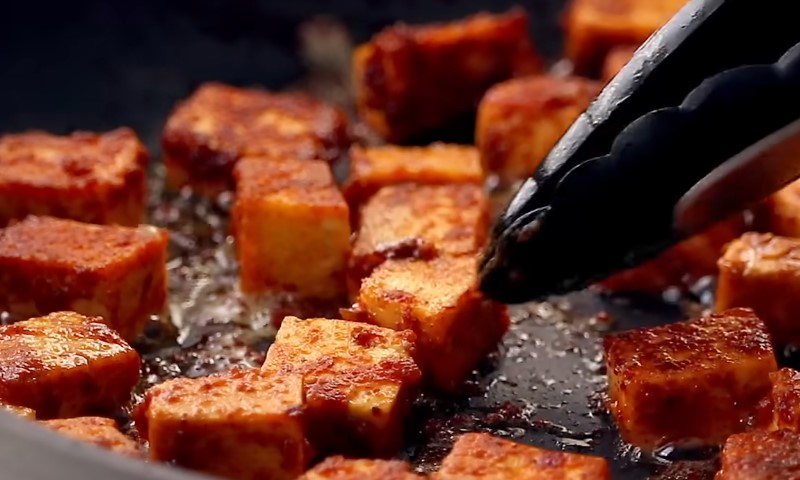
Flipping technique matters.
Tools That Help
- Thin metal spatula
- Fish spatula
- Flat wooden turner
Slide the spatula fully under each piece before lifting.
How to Flip Confidently
- Lift gently
- Turn decisively
- Avoid dragging pieces across the pan
Hesitation increases breakage.
Seasoning Without Compromising Structure
Seasoning adds flavor, though timing matters.
Seasoning Before Cooking
Dry spices work well when applied lightly:
- Salt
- Pepper
- Garlic powder
- Smoked paprika
Avoid wet marinades right before pan-frying unless the tofu has been pressed thoroughly.
Seasoning After Browning
Sauces behave better after crust formation:
- Soy sauce
- Teriyaki
- Chili crisp
- Glazes
Add sauces toward the end and reduce heat to prevent sticking.
Should You Coat Tofu Before Pan Frying
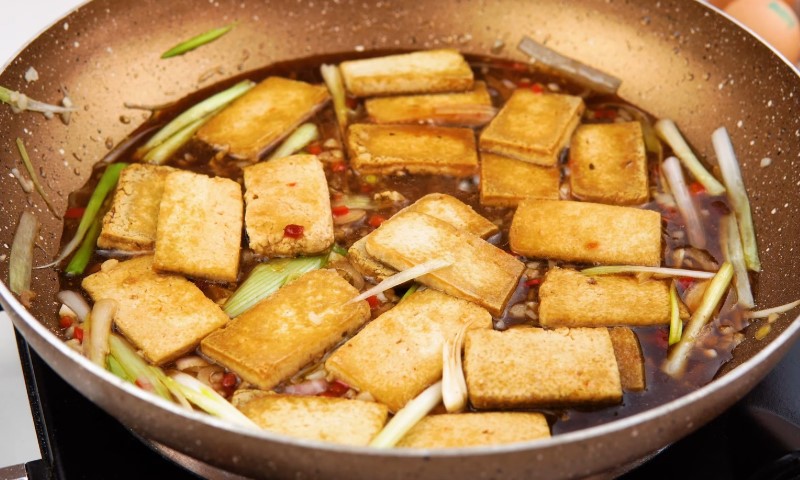
Coatings can improve texture, though they are optional.
Light Coating Options
- Cornstarch
- Arrowroot powder
- Potato starch
Toss tofu lightly before cooking. Shake off excess.
- Extra crispness
- Reduced sticking
- Improved sauce adhesion
Overcoating leads to gumminess, so restraint matters.
Step-by-Step Method for Pan-Fried Tofu That Holds Together
Here is a reliable method that works across kitchens.
- Choose extra-firm or super-firm tofu
- Press for 20 to 30 minutes
- Cut into evenly sized pieces
- Pat dry thoroughly
- Heat pan with oil over medium heat
- Add tofu in a single layer
- Leave undisturbed for 3 to 5 minutes
- Flip carefully once golden
- Cook remaining sides until crisp
- Season or sauce near the end
Each step reinforces the next.
Why Tofu Falls Apart in the Pan
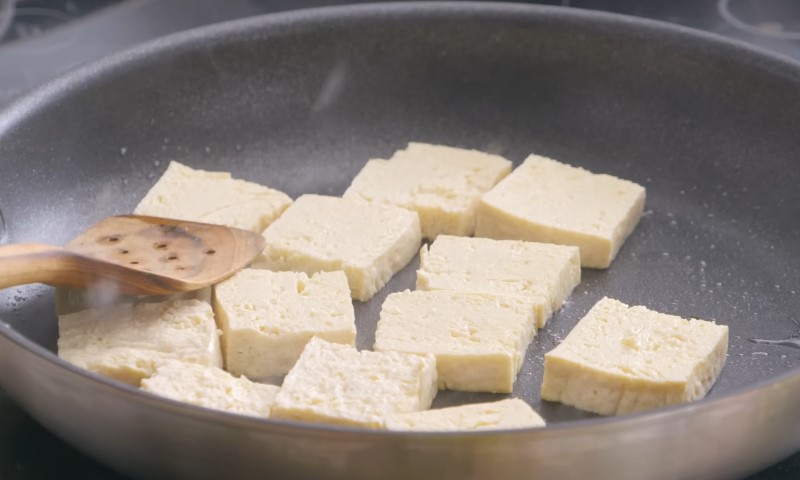
Tofu does not crumble out of spite. It breaks for a few specific reasons, and once those are clear, fixing the problem becomes straightforward.
The most common causes include:
- Too much water trapped inside the tofu
- Using the wrong firmness for pan cooking
- Moving the tofu before a crust forms
- Pan temperature that is either too low or too aggressive
- Cutting pieces that are too thin or uneven
Tofu is essentially soy protein held together by moisture. When heat hits wet tofu too quickly, steam forms and weakens the structure before browning can occur. Add sticking or rough flipping, and the pieces tear apart.
Common Mistakes and How to Avoid Them
| Mistake | Result | Fix |
| Skipping pressing | Crumbly texture | Press at least 10 minutes |
| Overcrowding pan | Steaming | Cook in batches |
| Flipping early | Sticking | Wait for crust |
| Too much sauce early | Breakage | Add sauce later |
| Thin uneven cuts | Tearing | Cut thicker, evenly |
What to Do If Tofu Still Breaks
Even experienced cooks have off days.
Quick Recovery Tips
- Turn broken pieces into a scramble, like when making Tofu Bhurji
- Add sauce and simmer gently
- Serve over rice or noodles
Broken tofu still tastes good. Structure matters less once sauce enters the picture.
Flavor Ideas That Work Well With Pan-Fried Tofu
Once technique feels solid, flavors become flexible.
Dry Spice Ideas
- Five-spice powder
- Curry powder
- Black pepper and garlic
- Nutritional yeast
Sauce Pairings
- Soy sauce with ginger
- Peanut sauce
- Sweet chili glaze
- Miso-based sauces
Apply sauces late and reduce gently, or try making something completely different, like Sofritas.
How Long Pan-Fried Tofu Keeps Its Texture
Fresh tofu stays crisp longest.
- Best eaten immediately
- Keeps 1 to 2 days refrigerated
- Reheat in a pan or air fryer
Microwaving softens the texture.
Summary
Pan-fried tofu rewards patience and attention more than technical skill. Water removal, steady heat, and restraint during cooking transform tofu from fragile to dependable. Once those fundamentals become habit, tofu behaves consistently.
Cooking tofu well builds confidence. Confidence makes experimentation easier. The pan stops feeling like a risk and starts feeling like an invitation.
Good tofu does not require perfection. It requires care at the right moments, then leaving it alone to do its job.

Hello, my name is Marina Vlasov. Im currently trying to change my career from my current job to becoming a chef. It is a hard road, but I feel like im coming there soon. While I enjoy preparing practically all food, from various cuisines from all over the globe, I must say that I mostly enjoy preparing vegan food. That is my strongest side. That is why I want to provide you with the best vegan food recipes on this blog of mine.