
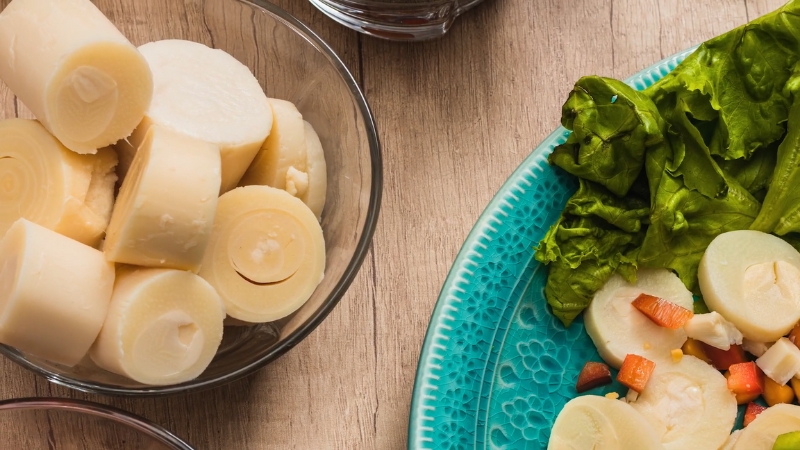
What to Do with Hearts of Palm (and How to Make It Taste Amazing)
Hearts of palm taste bland when they are treated like a ready-to-eat ingredient. To make them taste genuinely good, you have to change their structure first, then build flavor deliberately.
That means removing excess moisture, choosing the right cut, and deciding whether acid or heat will do the heavy lifting.
When handled properly, hearts of palm become tender but structured, lightly sweet, and capable of carrying bold flavors without disappearing into the background.
The First Time Most People Try Hearts of Palm
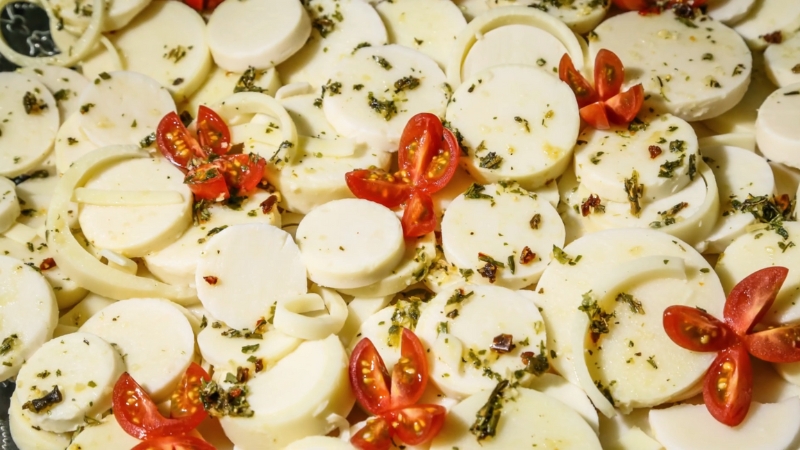
For many people, hearts of palm appear as an afterthought in a salad, sliced into pale coins, cold, and barely seasoned. They are usually eaten politely and forgotten immediately.
That first experience sets the reputation. Bland. Watery. Pointless.
The problem is not the ingredient. It is the context. Hearts of palm are preserved in liquid, and preservation strips both aroma and tension from the fibers.
Straight from the jar, they are soft, waterlogged, and chemically neutral. Expecting them to taste good in that state is like expecting plain tofu to impress on its own.
Once you understand that hearts of palm need preparation rather than decoration, everything changes.
What Hearts of Palm Actually Are in the Kitchen
Hearts of palm are harvested from the inner core of certain palm trees. Structurally, they behave more like bamboo shoots or artichoke stems than like vegetables with natural sugars or oils.
Their key characteristics matter when cooking.
Property
Practical Effect
High water content
Needs drying or heat
Mild sweetness
Responds well to acid
Soft fiber structure
Overcooks easily
Neutral aroma
Absorbs seasoning fast
They are not resilient. You cannot bully them with aggressive heat or heavy sauces. You have to guide them.
Moisture Is the Enemy of Flavor
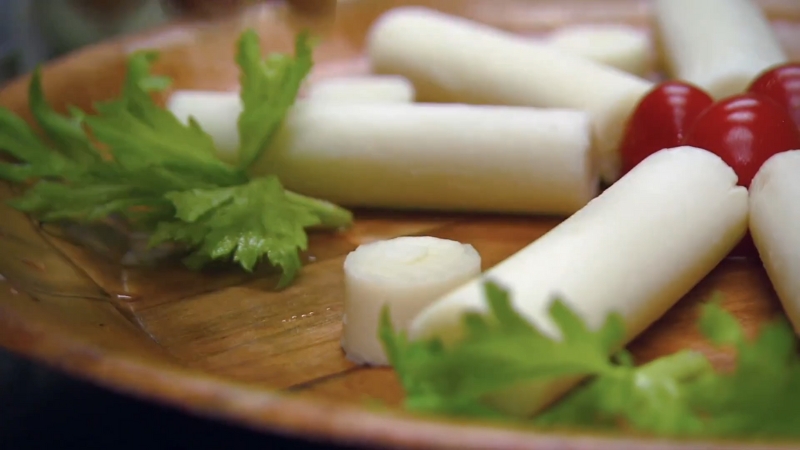
If there is one rule that determines whether hearts of palm taste good or terrible, it is moisture control.
When hearts of palm come out of a jar or can, they are saturated. If you cook them immediately, that water releases into the pan or oven and creates steam. Steam softens fibers, prevents browning, and washes away seasoning.
The fix is simple but often skipped.
Drain them completely. Pat them dry thoroughly. If time allows, leave them uncovered on a towel for ten to fifteen minutes. This short rest lets surface moisture evaporate and firms the exterior slightly.
This single step improves every method that follows.
Cutting Hearts of Palm for Better Texture
How you cut hearts of palm determines how they behave when cooked.
Thin coins look neat, but break down quickly and turn mushy. Lengthwise cuts expose more surface area and preserve structure.
Cut Style
Best Use
Texture Outcome
Thick rounds
Pan searing
Tender with crust
Lengthwise spears
Salads, grilling
Clean bite
Rough chunks
Roasting
Creamy center
If you want hearts of palm to feel intentional rather than decorative, avoid thin slices.
Making Hearts of Palm Taste Good Without Cooking
Cold preparations are where hearts of palm often surprise people, but only when handled correctly.
The key is contrast. Since there is no heat, acid, salt, and fat must do the work.
A simple approach works best. Slice the hearts of palm lengthwise. Toss them lightly with citrus juice, olive oil, and salt. Add one aromatic element, not five. Let them sit for five to ten minutes, no longer.
Element
Role
Acid
Brightens and firms
Salt
Unlocks sweetness
Fat
Carries flavor
Overmarinating softens the fibers and turns them limp. The goal is wakefulness, not saturation.
Pan Searing Hearts of Palm So They Actually Taste Savory
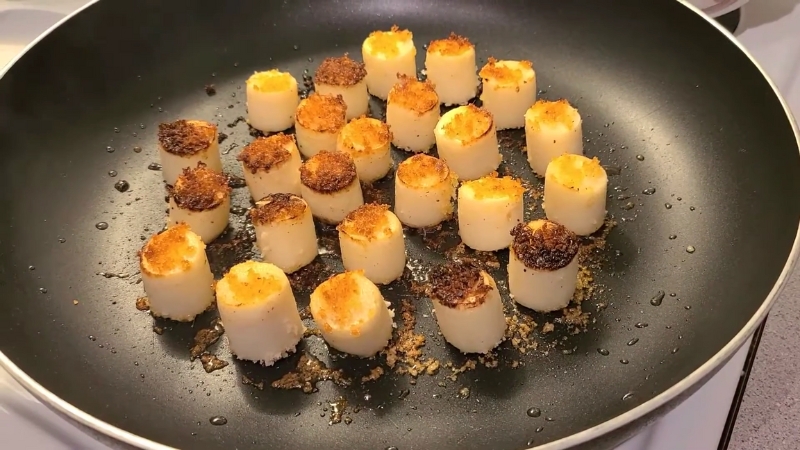
Pan searing is the fastest way to give hearts of palm character.
Heat a pan until the oil is clearly hot. Add the hearts of palm in a single layer. They should sizzle immediately. If they do not, the pan is not ready.
Do not stir. For the first two minutes, leave them alone. This allows moisture to escape and browning to begin.
Once a golden surface forms, flip it and repeat. Season lightly only after browning.
Pan Behavior
Result
Hot and dry
Nutty, savory
Low heat
Soft, dull
Crowded pan
Steamed texture
Pan-seared hearts of palm develop a flavor closer to artichoke or young asparagus than to anything from a jar.
Roasting Hearts of Palm for Depth and Reliability
View this post on Instagram
Roasting is the most forgiving method and the easiest way to cook larger quantities.
Toss dried hearts of palm lightly with oil. Spread them out so they do not touch. Roast at high heat until the edges take on color and the centers remain creamy.
Turning once halfway through is enough.
Temperature
Result
190°C
Soft, mild
210°C
Balanced
225°C
Crisp edges
Roasted hearts of palm work particularly well in bowls, tacos, and pasta dishes because they hold their shape and absorb sauces without collapsing.
Grilling Hearts of Palm Without Ruining Them
@food_of_long_island Grilled Hearts of Palm Salad ☀️🤩 #summersalad #springsalad #summerrecipe #summerrecipes #asmr #asmrsounds #asmrcooking #heartsofpalm ♬ origineel geluid – hannafonteynx
Grilling adds aroma but requires restraint. Hearts of palm are not sturdy.
Cut them into long segments. Brush lightly with oil. Grill over medium heat, not high. You are looking for warmth and light charring, not deep browning.
Turn once if possible. Remove as soon as grill marks appear.
Grill Choice
Why It Matters
Medium heat
Prevents drying
Light oil
Reduces sticking
Short time
Preserves texture
Finish with acid or a sauce after grilling, not during.
Flavor Pairings That Respect the Ingredient
Hearts of palm do best with flavors that add contrast without overpowering them.
Pairing
Effect
Lemon or lime
Sharpens
Capers
Salty depth
Olive oil
Richness
Fresh herbs
Lift
Chili oil
Controlled heat
Sweet sauces flatten their character. Heavy spices bury them. Clean flavors let their subtle sweetness come through.
Why Hearts of Palm Often Fail in Recipes
Most failures come from treating hearts of palm like a finished product rather than a raw ingredient.
Mistake
Outcome
Using straight from the jar
Flat taste
Skipping drying
No browning
Overcooking
Mushy texture
Heavy sauces
Loss of identity
If hearts of palm taste like filler, they were handled like filler.
Final Thought
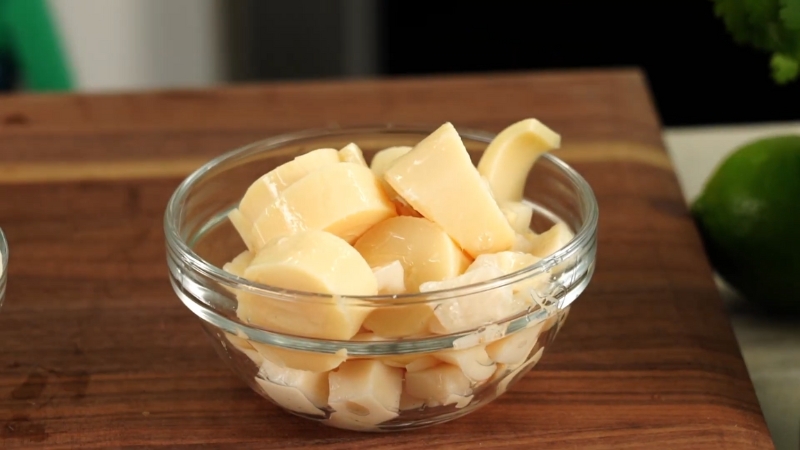
Hearts of palm are quiet by nature. They do not announce themselves. They respond.
Once you remove excess moisture and give them either heat or acid with intention, they stop being forgettable and start feeling deliberate. Used thoughtfully, they are not a substitute for something else. They become their own reason to cook.

Hello, my name is Marina Vlasov. Im currently trying to change my career from my current job to becoming a chef. It is a hard road, but I feel like im coming there soon. While I enjoy preparing practically all food, from various cuisines from all over the globe, I must say that I mostly enjoy preparing vegan food. That is my strongest side. That is why I want to provide you with the best vegan food recipes on this blog of mine.