

Are Canned Peas Good for You? Nutrition, Benefits & Downsides
Peas (Pisum sativum) rank among the oldest cultivated crops and remain widely consumed worldwide as additions to salads, soups, casseroles, and simple side dishes.
Canned peas offer convenience, long shelf life, and affordability, making them a common pantry item in many households.
Nutritional value often raises questions, especially when comparisons arise with fresh or frozen peas.
A closer look at nutrients, health advantages, and possible drawbacks helps clarify their place in a balanced diet.
Nutritional Profile of Canned Peas
Careful review of canned peas shows a balance of macronutrients, micronutrients, and plant compounds that support everyday nutrition.
Processing affects certain values, yet many beneficial components remain intact and accessible.
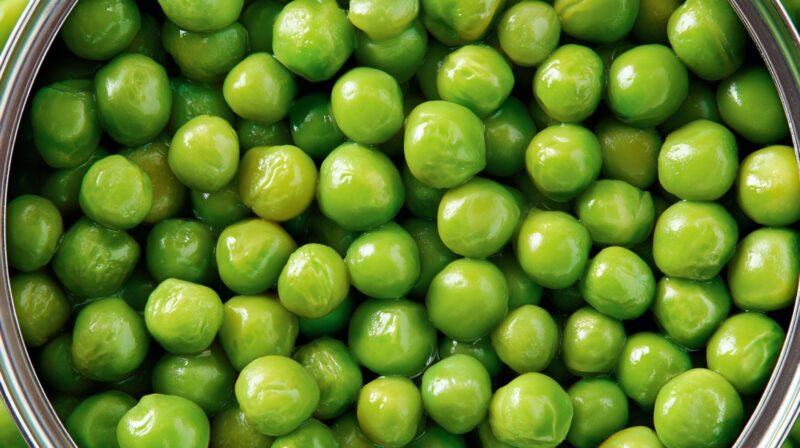
Macronutrients per 100 g
Energy contribution stays moderate, making canned peas suitable for regular meals without excessive calorie load. Macronutrient distribution supports both energy needs and satiety.
- Calories between 55 and 73 kcal, influenced by brine composition and added ingredients
- Carbohydrates average 10 to 11 grams, providing readily available fuel
- Protein close to 3 grams, contributing plant-based amino acids
- Fat around 0.5 grams, keeping total fat intake low
Fiber content reaches about 2 grams per 100 grams. Processing reduces fiber compared to fresh peas, yet the remaining fiber still aids digestion and fullness.
Water accounts for nearly 80 percent of total weight, supporting hydration and lowering overall energy density.
Micronutrients and Bioactive Compounds
Vitamin and mineral presence adds functional value that extends past basic calories. Heat treatment lowers some vitamin levels, though several remain stable and useful.
- Vitamins A, C, K, and multiple B vitamins, including PP
- Potassium supports fluid balance and muscle function
- Sodium levels that vary widely by brand
- Phosphorus and manganese are involved in bone and enzyme activity
- Selenium contributes to antioxidant defense
Plant-based compounds also play an important role. Carotenoids assist eye health and immune response.
Flavonoids support vascular function and reduce oxidative stress. Saponins and related compounds such as pisumsaponins and pisomosides show protective cellular effects linked to long-term health.
Glycemic Index
Blood sugar response remains moderate due to fiber and protein slowing carbohydrate absorption. The average glycemic index measures around 48, placing canned peas in a middle range suitable for controlled carbohydrate intake.
Stable glucose response improves further when peas are paired with foods containing healthy fats or additional protein. Portion awareness remains important, especially for individuals managing insulin sensitivity.
Health Benefits of Canned Peas
Regular consumption of canned peas supports multiple body systems when intake stays balanced. Nutrient synergy between fiber, protein, minerals, and antioxidants explains many observed benefits.
Digestive Health
Fiber promotes bowel regularity and supports microbial balance within the gut. Half a cup of cooked peas delivers over 4 grams of fiber, aiding stool consistency and transit.
Soluble fiber encourages growth of beneficial bacteria, including lactobacilli and bifidobacteria. Glycated pea proteins further enhance microbial diversity, supporting immune response and nutrient absorption.
Heart Health
Mineral composition supports cardiovascular stability and lipid balance. Magnesium, potassium, and calcium assist blood vessel relaxation and blood pressure control.
Regular legume intake associates with lower LDL cholesterol levels. Even small daily servings contribute to reduced long-term risk of heart disease.
Blood Sugar Regulation
Protein and fiber slow digestion and reduce rapid glucose release into circulation. Moderate glycemic index helps limit sharp blood sugar rises after meals.
Improved insulin sensitivity has been observed among individuals with type 2 diabetes who include legumes as part of regular dietary patterns.
Weight Management
@eatswithvan Peas are high in fiber and one of the best plant based sources of protein. This week I’ve meal prepped PEA & LEMON ZEST SPAGHETTI with HONEY SALTED CHICKEN. A quick and refreshing lunch option sorted! #highprotein #lunchideas #mealprep #nutrition ♬ shut up my moms calling x – maddie
Satiety increases due to combined protein and fiber effects, helping control appetite and reduce overall calorie intake. Lower energy density allows larger portion sizes without excess calories.
- Reduced sugar cravings linked to steady blood glucose levels
- Improved lipid metabolism associated with cholesterol reduction
Anti-Aging and Detoxification Support
Selenium plays a role in removing heavy metals and harmful metabolic byproducts. Antioxidant compounds counteract oxidative damage that accelerates aging processes.
Flavonoids and saponins support skin elasticity, hair strength, and cellular repair. Protective antioxidant activity also links to reduced cancer risk markers.
Muscle-Building Support
Pea protein supplies essential amino acids needed for muscle repair and growth. Research indicates comparable effectiveness to whey protein for increasing lean muscle mass when total protein intake remains adequate.
Canned peas offer a practical protein option for plant-focused diets and active individuals.
Potential Downsides of Canned Peas

Balanced evaluation also requires attention to limitations tied to processing, digestion, and certain medical conditions.
Additives and Processing Concerns
Added sodium and sugars represent the primary concerns. Sodium content can rise significantly in brined products, posing challenges for blood pressure control.
Careful label selection helps reduce exposure to unnecessary additives, especially for individuals with hypertension or cardiovascular concerns.
Antinutrients
Naturally occurring compounds affect mineral absorption and digestion. Phytates may reduce the bioavailability of calcium and zinc. Lectins can interfere with intestinal comfort and nutrient uptake.
Heat processing lowers antinutrient levels substantially.
- Soaking
- Fermenting
- Extended cooking
Such methods may decrease antinutrient content by up to 75 percent.
Digestive Issues
FODMAP carbohydrates and lectins can trigger bloating or gas in sensitive individuals. People with irritable bowel syndrome often notice symptoms after larger portions.
Nitrogen-containing compounds increase gas production when intake becomes excessive, emphasizing the importance of moderation.
Medical Contraindications
Certain health conditions require caution or avoidance. Kidney stones, gout, colitis, thrombophlebitis, and recovery phases following stroke or heart attack benefit from individualized dietary guidance.
Diuretic use may complicate fluid and mineral balance, making careful monitoring necessary when canned peas appear regularly in meals.
The Verdict
Canned peas fit well into a healthy diet when consumed in moderation and paired with whole, minimally processed foods.
Low-sodium and no-added-sugar options provide better nutritional balance. Benefits include support for weight control, blood sugar management, heart health, and plant-based protein intake.
Caution remains important for individuals with digestive sensitivities or specific medical conditions. Thoughtful selection and portion awareness allow canned peas to serve as a practical and nutritious pantry staple.

Hello, my name is Marina Vlasov. Im currently trying to change my career from my current job to becoming a chef. It is a hard road, but I feel like im coming there soon. While I enjoy preparing practically all food, from various cuisines from all over the globe, I must say that I mostly enjoy preparing vegan food. That is my strongest side. That is why I want to provide you with the best vegan food recipes on this blog of mine.