
How Much Is a Cup – A Guide to U.S., Imperial, and Metric Conversions in the Kitchen
Accurate measurements play a critical role in cooking and baking. Recipes depend on precise ratios, and even small differences can change texture, flavor, or structure.
Scaling recipes for larger groups or reducing them for home kitchens increases the need for dependable conversions.
Multiple measurement systems appear in everyday cooking. Metric, U.S. Customary, and British Imperial units often appear side by side in cookbooks, online recipes, and product labels.
International recipe use makes conversion skills essential.
Overview of Measurement Systems
Cooking traditions rely on structured measurement systems that were developed for trade, science, and daily life. Kitchens often bring several systems together, making clarity essential before any conversion begins.
Metric System
Metric units dominate professional kitchens and home cooking across most of the world. Decimal structure keeps calculations predictable and repeatable, which supports consistency during scaling and recipe testing.
Base relationships define metric logic and allow instant conversion without reference tables:
- 1 liter equals 1,000 milliliters
- 1 kilogram equals 1,000 grams
Prefixes signal magnitude and remain consistent across all metric units. Milli indicates one thousandth. Centi indicates one hundredth. Kilo indicates one thousand. Familiarity with prefixes removes guesswork when reading recipes written in metric form.
Kitchen use often requires comparison with non-metric units. Liquid volume equivalents provide practical context during conversions:
- 1 liter equals about 2.113 U.S. pints
- 1 liter equals 1.056 U.S. quarts
- 1 liter equals 0.2641 U.S. gallons
Metric measurements reduce ambiguity since milliliters and grams stay constant regardless of ingredient or container shape.
U.S. Customary System
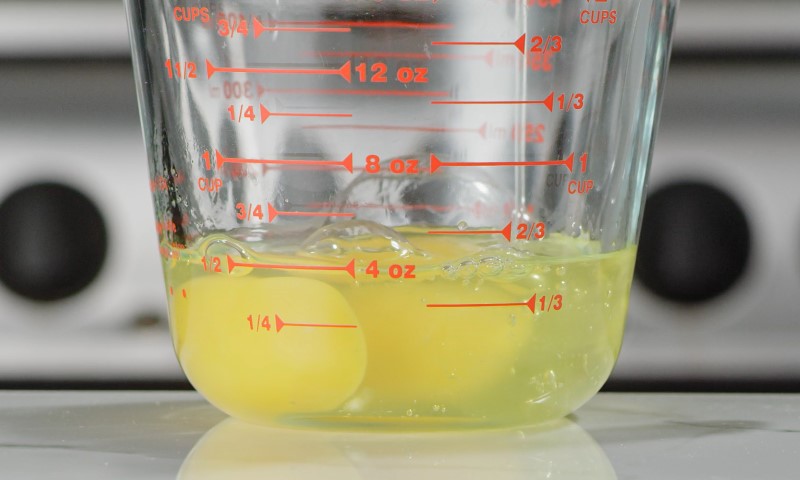
U.S. home kitchens depend heavily on customary measures inherited through historical British influence. Volume-based tools dominate, with measuring cups and spoons replacing scales in many households.
Recipes written in customary units rely on fixed references that cooks memorize early:
- 1 cup equals 8 fluid ounces or about 237 milliliters
- 1 tablespoon equals 15 milliliters
- 1 teaspoon equals about 5 milliliters
Volume emphasis creates convenience but introduces variability. Ingredient density affects results, especially during baking.
Flour, sugar, and fats respond differently to scooping methods, making accuracy dependent on technique rather than unit definition.
British Imperial System
Imperial units remain standard across the United Kingdom and appear in several Commonwealth countries. Shared naming with U.S. units causes confusion, since actual volumes differ.
- 1 imperial pint equals 568 milliliters
- 1 U.S. pint equals 473 milliliters
Gallon comparisons reveal even larger differences:
- 1 imperial gallon equals 4.546 liters
- 1 U.S. gallon equals 3.785 liters
Imperial recipes assume these larger volumes, so direct substitution using U.S. tools alters outcomes.
Key Differences Between U.S. and Imperial Systems
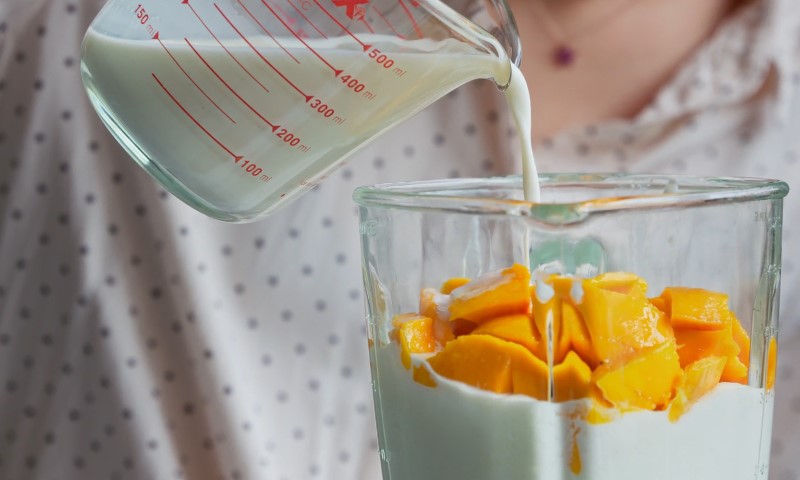
Shared terminology masks significant measurement gaps. Fluid ounces serve as a common source of error because size varies by system.
- 1 U.S. fluid ounce equals 29.57 milliliters
- 1 imperial fluid ounce equals 28.41 milliliters
Pints and gallons amplify the discrepancy. U.S. pints contain 16 fluid ounces or 473.18 milliliters. Imperial pints contain 20 fluid ounces or 568.26 milliliters. Gallons follow the same pattern, with imperial units holding more volume overall.
Scaling recipes magnifies small differences. Using an imperial cup in place of a U.S. cup shifts ingredient amounts by about 7 percent per cup, which compounds quickly in large batches.
- 341 milliliters under imperial standards
- 355 milliliters under U.S. standards
Reading labels without system awareness leads to incorrect assumptions.
Measurement Types in the Kitchen
Recipes rely on several measurement approaches, each serving a different purpose. Selecting the right method affects accuracy more than unit choice alone.
Volume
Volume suits liquids and soft solids such as oil, milk, yogurt, or syrup. Measuring cups and spoons dominate everyday cooking.
- 1 U.S. cup equals 236.59 milliliters
- A tablespoon equals 14.79 milliliters
- 1 teaspoon equals 4.93 milliliters
Volume loses precision with compressible ingredients. Air pockets and packing pressure change result without altering the measured volume.
Weight
Weight delivers precision and consistency, which explains professional kitchen preference. Grams and ounces remain stable regardless of ingredient shape or density.
- 1 ounce equals 28.35 grams
- 1 pound equals 454 grams
Accuracy improves when weighing ingredients like flour, sugar, or chocolate. Packed brown sugar weighs more than loose brown sugar. Flour weight shifts with scooping and sifting technique.
Conversion Charts and Examples
View this post on Instagram
Reference values anchor conversions and support quick checks during cooking.
Liquid Conversions
U.S. liquid measures align closely with rounded metric values used in kitchens:
Rounded figures improve usability without sacrificing meaningful accuracy.
Dry Ingredients
Density defines weight outcomes, so ingredient-specific values remain essential.
Common kitchen references include:
Weight variation explains why professional recipes specify grams instead of cups.
Soft Metric Conversions
Rounded metric equivalents help cooks adapt without calculators.
Common shortcuts include:
Approximate values support speed while remaining reliable for most cooking tasks.
Global Trends and Usage
Measurement systems around the world reflect a blend of historical influence, regulatory standards, and everyday practicality. While the metric system is the global standard, real-world usage often tells a more nuanced story.
Canada
Canada officially adopted the metric system in the 1970s, and it is the standard for government, education, and scientific use.
However, due to strong economic and cultural ties with the United States, U.S. and imperial units remain common in daily life.
Grocery packaging frequently shows dual measurements, and informal references to cups, pounds, and inches are widely understood alongside liters and grams.
Europe
Europe relies almost entirely on the metric system, both legally and culturally. Cooking, manufacturing, science, and trade are standardized around metric units, which are praised for their logical base-10 structure.
U.S. customary measurements are often viewed as confusing or inefficient, particularly because of their irregular scaling (such as 3 teaspoons to a tablespoon or 16 tablespoons to a cup), which contrasts with the simplicity of metric conversions.
The United States
In the United States, adoption of the metric system remains limited despite long-standing recognition of its global importance.
Metric units are commonly used in science, medicine, and certain government publications. Agencies such as the National Park Service and the military often present measurements in metric form, sometimes alongside U.S. customary units.
However, full nationwide metrication has never occurred, and everyday activities, especially cooking, continue to rely heavily on cups, ounces, and teaspoons.
Many trade-oriented and globally connected countries demonstrate a hybrid approach to measurement.
These nations prioritize practicality over strict adherence to a single system, frequently using metric units for official and international purposes while accommodating imperial or U.S. customary units for commerce, tourism, or consumer familiarity.
Summary
Measurement literacy allows cooks, bakers, and chefs to work confidently across regional recipe styles. Conversion skills reduce waste, protect flavor balance, and improve consistency.
Metric standardization could simplify cooking worldwide in the future. Current reality demands familiarity with all major systems and regular use of reliable conversion methods.

Hello, my name is Marina Vlasov. Im currently trying to change my career from my current job to becoming a chef. It is a hard road, but I feel like im coming there soon. While I enjoy preparing practically all food, from various cuisines from all over the globe, I must say that I mostly enjoy preparing vegan food. That is my strongest side. That is why I want to provide you with the best vegan food recipes on this blog of mine.