

Is Worcestershire Sauce Vegan And Gluten Free? What Ingredients Are In It
Worcestershire sauce sits in that strange category of pantry staples people use constantly but rarely question. It splashes into marinades, wakes up soups, deepens stews, and sneaks into everything from Bloody Marys to burger sauces. The bottle feels familiar. The name feels old. The ingredient list, though, raises eyebrows once you actually read it.
Questions tend to surface fast. Is Worcestershire sauce vegan? Is it gluten-free? What exactly gives it that savory, almost meaty depth? For anyone eating plant-based, managing celiac disease, or simply wanting clarity about what lands on their plate, Worcestershire sauce deserves a closer look.
Today, we prepared an ingredient-level breakdown. Just a careful explanation of what traditionally goes into Worcestershire sauce, why certain versions are not vegan or gluten-free, and how to shop smarter if dietary restrictions matter.
What Worcestershire Sauce Actually Is
Worcestershire sauce originated in England in the 19th century. It was designed as a fermented condiment, built to layer flavor rather than dominate a dish. Think savory depth, mild sweetness, acidity, and a long finish that lingers rather than shouts.
Unlike ketchup or mustard, Worcestershire sauce relies on fermentation and aging. Many traditional versions sit for months or even years before bottling. That time allows sharp ingredients to mellow and blend into a unified flavor.
The result is a sauce that tastes complex without feeling heavy. Many people describe it as umami-rich, slightly tangy, faintly sweet, and gently funky.
That funk, as it turns out, is where the dietary questions begin.
Traditional Worcestershire Sauce Ingredients
A classic Worcestershire sauce recipe usually includes the following components:
- Vinegar
- Molasses or sugar
- Salt
- Tamarind extract
- Anchovies
- Onions
- Garlic
- Spices and flavorings
Every brand tweaks proportions and methods, but those elements form the backbone. The ingredient that causes the most confusion is anchovies.
Anchovies and Fermentation
Anchovies are small fish preserved in salt. In Worcestershire sauce, they break down during fermentation and contribute a deep savory note rather than a fishy taste. Many people who dislike seafood still enjoy Worcestershire sauce and never realize fish plays a role.
From a flavor chemistry perspective, anchovies bring glutamates, which amplify savory perception. That same effect can be achieved with other fermented ingredients, but historically, anchovies were the tool of choice.
From a dietary perspective, anchovies place traditional Worcestershire sauce firmly outside vegan and vegetarian territory.
Is Worcestershire Sauce Vegan?

Short answer: traditional Worcestershire sauce is not vegan.
Longer answer: some modern versions are.
Why Most Worcestershire Sauce Is Not Vegan
Anchovies are the primary reason. Even though they dissolve into the sauce and rarely register as fish on the palate, they remain an animal-derived ingredient.
In addition to anchovies, a few older or specialty recipes may include other animal-based elements, such as fish extracts or meat-based flavorings, though anchovies are by far the most common.
Because of that, classic Worcestershire sauce fails vegan standards and often vegetarian ones as well.
Vegan Worcestershire Sauce Alternatives
Over the past decade, vegan versions have become widely available. Producers replace anchovies with plant-based sources of umami, often using combinations such as:
- Fermented soy
- Mushrooms
- Seaweed
- Tamari or soy sauce alternatives
- Yeast extracts
When done well, vegan Worcestershire sauce tastes remarkably close to the original. The savory depth remains, acidity stays balanced, and the sweetness still rounds everything out.
The key difference is labeling. Vegan versions clearly state “vegan” on the bottle and omit anchovies entirely.
Common Vegan Worcestershire Brands
While brand availability varies by region, vegan Worcestershire sauce typically falls into two categories:
- Explicitly labeled vegan Worcestershire sauce
- Generic Worcestershire-style sauces designed without fish
Reading the ingredient list remains essential. Some sauces marketed as “plant-based friendly” still include anchovies unless clearly stated otherwise.
Is Worcestershire Sauce Vegetarian?
View this post on Instagram
Vegetarian guidelines differ slightly from vegan ones, but anchovies still disqualify traditional Worcestershire sauce.
Some vegetarians who consume fish-based products may choose to use it, depending on personal boundaries. Many vegetarians, however, avoid all fish.
Vegetarian-labeled Worcestershire sauces follow the same approach as vegan ones and rely on plant-derived umami sources.
Is Worcestershire Sauce Gluten Free?
Gluten questions require more nuance.
Some Worcestershire sauces are gluten-free. Others are not. The deciding factor often comes down to vinegar and fermentation sources.
Where Gluten Can Enter Worcestershire Sauce
The most common gluten-related concern involves malt vinegar. Malt vinegar is derived from barley, which contains gluten. If a Worcestershire sauce uses malt vinegar, it is not gluten-free.
Other potential gluten risks include:
- Barley-based flavorings
- Soy sauce made with wheat
- Cross-contamination during processing
Not every bottle contains these ingredients, but enough do that assumptions become risky.
Vinegar Types Matter
Vinegar plays a major role in Worcestershire sauce. Common types include:
- Distilled white vinegar
- Spirit vinegar
- Apple cider vinegar
- Malt vinegar
Distilled vinegars are generally gluten-free because the distillation process removes gluten proteins. Malt vinegar does not undergo full distillation and retains gluten content.
Checking which vinegar appears on the label matters more than many people realize.
Gluten-Free Worcestershire Sauce Exists
Many brands now produce gluten-free Worcestershire sauce. Such products usually:
- Avoid malt vinegar
- Use distilled vinegar instead
- Replace wheat-based soy sauce with gluten-free tamari or alternatives
Gluten-free labeling offers additional reassurance, especially for people with celiac disease or severe sensitivity.
Ingredient Breakdown
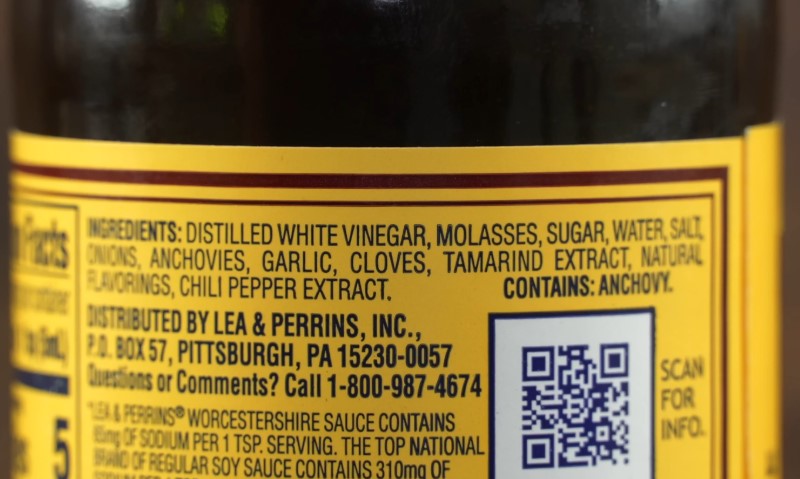
To make sense of labels, it helps to know what each ingredient contributes.
Vinegar
Vinegar provides acidity and preservation. It brightens heavy foods and balances sweetness. In Worcestershire sauce, vinegar also helps control fermentation.
Molasses or Sugar
Molasses adds depth, color, and mild bitterness. Some modern versions use sugar, brown sugar, or corn syrup instead. Molasses tends to produce a richer flavor profile.
Tamarind
Tamarind delivers tartness and fruit complexity. It is a key player in Worcestershire sauce’s signature tang. Tamarind also bridges sweetness and acidity smoothly.
Onions and Garlic
Both ingredients add a savory backbone. During fermentation, sharpness softens and blends into the sauce rather than standing out.
Anchovies or Plant-Based Umami
Anchovies supply glutamates in traditional recipes. Vegan versions replace them with ingredients that trigger similar savory responses, often without overt flavor signatures.
Spices and Flavorings
Exact spice blends are often proprietary. Clove, allspice, chili, and pepper frequently appear. Quantities remain small but impactful.
Reading a Worcestershire Sauce Label Without Guesswork
Ingredient lists can feel cryptic, especially when flavorings remain vague. A practical approach helps.
Step One: Scan for Anchovies
Anchovies usually appear clearly due to allergen labeling laws. Look for words such as anchovies, fish, or fish extract.
If present, the sauce is not vegan or vegetarian.
Step Two: Identify the Vinegar
Check whether malt vinegar appears. If yes, gluten-free status is off the table.
If distilled vinegar or spirit vinegar appears, gluten concerns drop significantly.
Step Three: Look for Gluten-Free or Vegan Claims
Certified gluten-free or vegan labels add an extra layer of trust. They indicate testing and manufacturing controls beyond ingredient selection alone.
Step Four: Watch for Soy Sauce
If soy sauce appears, confirm whether it contains wheat. Gluten-free soy sauce or tamari should be specified clearly.
Worcestershire Sauce in Cooking
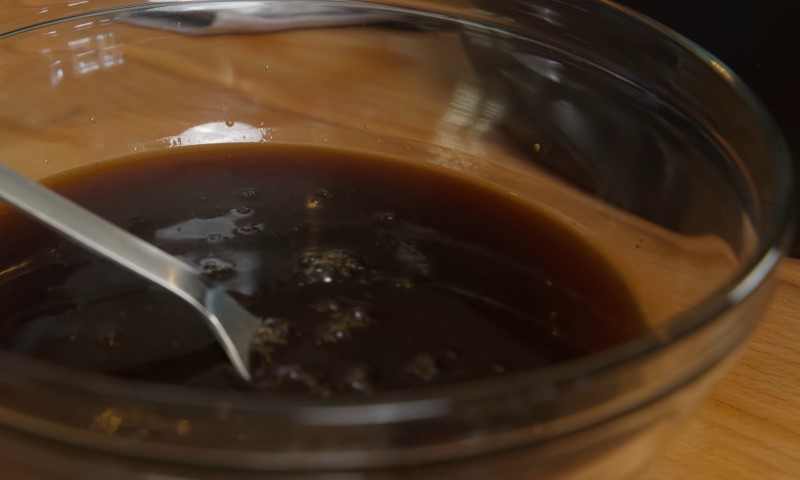
Many recipes call for Worcestershire sauce without considering dietary needs. A few adjustments keep dishes accessible without sacrificing flavor.
Substituting Vegan Worcestershire Sauce
Vegan Worcestershire sauce swaps seamlessly into most recipes. Marinades, soups, dressings, and sauces behave the same way.
Flavor differences remain subtle and rarely noticeable once combined with other ingredients.
Gluten Free Cooking Adjustments
Gluten-free Worcestershire sauce performs just like conventional versions. No changes needed to cooking time or ratios.
For safety, avoid bulk dispensers or restaurant sauces unless confirmed gluten-free.
DIY Worcestershire Style Sauce
Some home cooks prefer making their own versions. Homemade recipes allow full control over ingredients and allergen risks.
A simplified homemade base often includes:
- Distilled vinegar
- Tamari
- Molasses
- Tamarind paste
- Garlic
- Onion powder
- Ground spices
Fermentation time varies, but even quick versions deliver satisfying depth.
Worcestershire Sauce Myths That Refuse to Die
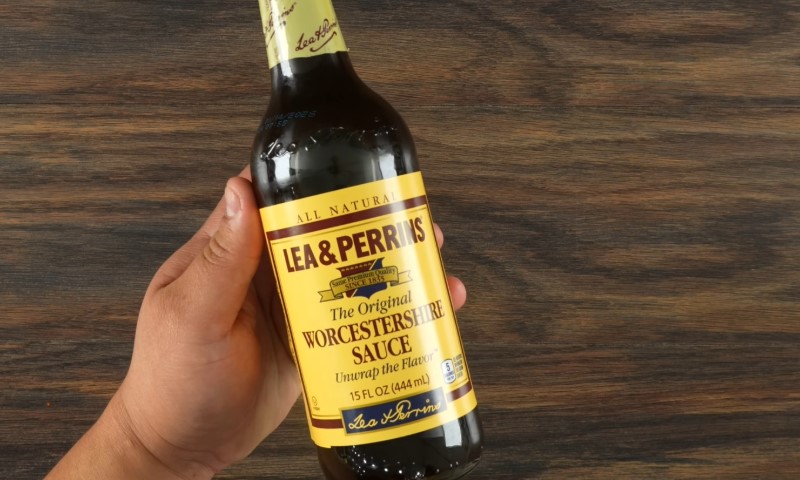
Confusion around Worcestershire sauce persists partly because of outdated assumptions.
Myth: Worcestershire Sauce Is Always Vegan
False. Traditional versions contain anchovies.
Myth: Worcestershire Sauce Is Always Gluten Free
Also false. Malt vinegar and wheat-based soy sauce remain common.
Myth: Anchovies Make It Taste Like Fish
The fermentation process breaks anchovies down completely. The result tastes savory rather than fishy.
Myth: Vegan Versions Taste Inferior
Modern plant-based versions often match traditional flavor closely, especially once cooked into dishes.
Worcestershire Sauce and Food Allergies
Beyond vegan and gluten concerns, Worcestershire sauce may affect people with other sensitivities.
Fish Allergies
Anchovy-containing versions pose obvious risks. Vegan versions remove that concern.
Soy Sensitivity
Some sauces rely heavily on soy. Soy-free alternatives exist but require label scrutiny.
Sulfites
Certain vinegars and preserved ingredients contain sulfites. Sensitive individuals should review labels carefully.
How Restaurants Handle Worcestershire Sauce

Dining out complicates matters. Many kitchens use standard Worcestershire sauce without checking dietary implications.
If vegan or gluten-free dining matters, asking direct questions helps:
- Does the Worcestershire sauce contain anchovies?
- Is the sauce gluten-free or made with malt vinegar?
Some restaurants substitute soy sauce or skip Worcestershire sauce entirely in special requests.
Why Worcestershire Sauce Causes So Much Confusion
Part of the confusion stems from invisibility. Anchovies dissolve. Gluten hides inside vinegar. Flavor remains familiar, so ingredients fade into the background.
Marketing language adds another layer. Terms such as “natural flavoring” and “traditional recipe” reveal little. Only ingredient lists provide clarity.
The growing number of dietary preferences has pushed manufacturers to adapt, but legacy formulas still dominate shelves.
Shopping Tips for Vegan and Gluten-Free Worcestershire Sauce
A short checklist simplifies shopping:
- Look for vegan labeling if avoiding animal products
- Confirm vinegar type
- Check the soy sauce source
- Prefer certified gluten-free when sensitivity is severe
- Avoid assumptions based on brand reputation alone
Buying once with care saves repeated label reading later.
Worcestershire Sauce Beyond the Bottle
Worcestershire sauce often appears as an ingredient inside other foods. Salad dressings, barbecue sauces, steak sauces, and prepared marinades frequently include it.
For strict diets, checking secondary ingredient lists matters just as much as checking the bottle itself.
Many “accidentally vegan” foods stop being vegan because Worcestershire sauce sneaks in.
Summary
Worcestershire sauce carries history, flavor, and a surprising amount of dietary complexity. Traditional versions contain anchovies and often rely on malt vinegar, placing them outside vegan and gluten-free boundaries.
Modern alternatives solve both issues when chosen carefully. Vegan and gluten-free Worcestershire sauces exist, taste good, and work seamlessly in cooking.
Ingredient literacy remains the real skill. Once labels make sense, Worcestershire sauce becomes easy to navigate rather than mysterious.
That clarity keeps meals inclusive, predictable, and enjoyable without sacrificing flavor.

Hello, my name is Marina Vlasov. Im currently trying to change my career from my current job to becoming a chef. It is a hard road, but I feel like im coming there soon. While I enjoy preparing practically all food, from various cuisines from all over the globe, I must say that I mostly enjoy preparing vegan food. That is my strongest side. That is why I want to provide you with the best vegan food recipes on this blog of mine.