
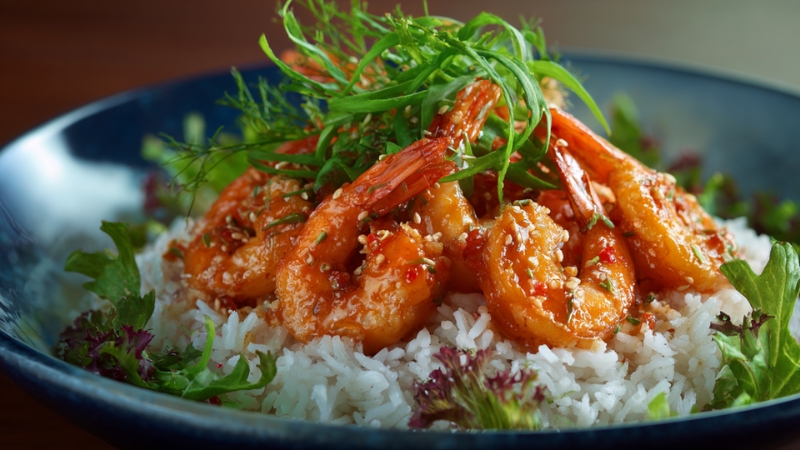
How to Make Plant-Based Shrimp at Home
You can make convincing plant-based shrimp at home by combining a neutral protein base with proper layering of texture, moisture control, and ocean-style seasoning.
The goal is not to copy shrimp perfectly, but to recreate what people actually enjoy about shrimp: a firm but tender bite, mild sweetness, and a clean seafood aroma that carries flavor well.
When done right, homemade plant-based shrimp works in stir fries, pasta, tacos, and cold salads without turning mushy or rubbery.
Why Homemade Plant-Based Shrimp Is Worth the Effort
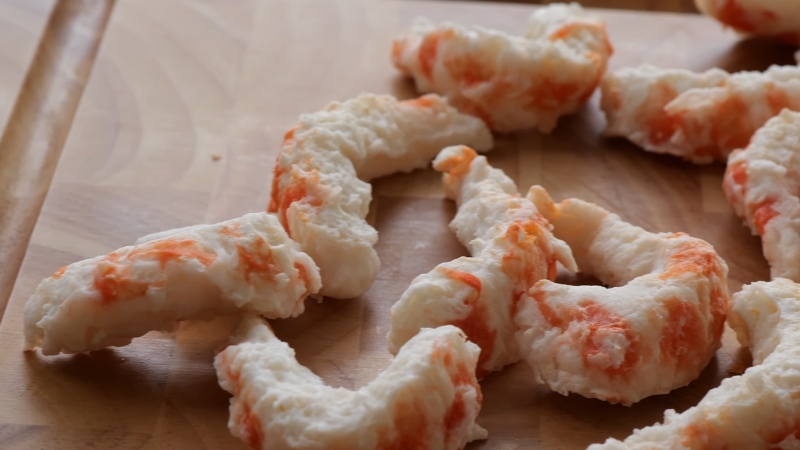
Most people try plant-based shrimp for the first time in a restaurant or from a frozen package. The reaction is usually mixed.
The flavor might be close, but the texture often feels off, either too soft or oddly bouncy. Making it at home gives you control over the one thing that matters most: structure.
Shrimp texture comes from tightly packed muscle fibers that spring slightly when bitten. Plant-based versions need to simulate that resistance without becoming chewy.
This is where most recipes fail. They focus on flavor and ignore how water, protein, and heat interact.
Choosing the Right Base Ingredient
There is no single perfect base, but some ingredients perform much better than others.
Base Ingredient
Texture Potential
Common Issue
King oyster mushrooms
High
Can be watery if not pressed
Konjac gel
Very high
Needs seasoning and binding
Tofu
Medium
Too soft unless frozen and pressed
Vital wheat gluten
High
Can become chewy if overworked
For home cooking, king oyster mushrooms are the most forgiving. Their dense stem structure naturally pulls into fibers when cut correctly. Konjac-based versions are closer to commercial products but require more precision.
Preparing King Oyster Mushrooms for Shrimp-Like Texture
View this post on Instagram
The first step is cutting. Slice the thick stem into oval pieces roughly the size of large shrimp. Then score shallow lines along the length.
This small step matters more than it looks. The scoring creates weak points that pull apart slightly during cooking, mimicking shrimp muscle fibers.
Next comes moisture control. Mushrooms hold a lot of water, and excess moisture kills texture.
Place the slices between towels and press gently for several minutes. You are not trying to dry them out completely, only remove surface and free water.
Building the Seafood Flavor Without Fish
Shrimp flavor is subtle. Overseasoning ruins the illusion. The base should stay mild, with aroma coming from the outside.
A balanced seasoning mix usually includes:
Ingredient
Purpose
Kelp or nori powder
Ocean aroma
White miso
Umami and slight sweetness
Garlic powder
Savory depth
Onion powder
Rounded base
White pepper
Gentle heat
Avoid strong spices. Smoked paprika, cumin, or chili overwhelm the profile and make the result taste like something else entirely.
The Binding Step That Makes It Hold Together
This is where homemade versions separate from good ones.
A light batter helps seal the surface and create a snap when cooked. Rice flour works particularly well because it crisps lightly without heaviness.
Mix rice flour with cold water, a pinch of salt, and a small amount of tapioca starch. The batter should be thin enough to coat, not cling thickly.
Dip each piece quickly and let excess drip off. The coating should be almost invisible.
Cooking Method Matters More Than Ingredients
Plant-based shrimp fails most often in the pan. Low heat leads to sogginess. Overcrowding causes steaming.
Heat a pan until clearly hot, add oil, then cook in small batches. Do not move the pieces for the first minute. Let a crust form.
Cooking Stage
Result
High heat sear
Firm exterior
Brief flip
Even browning
Short cook time
Tender interior
Total cooking time is usually under 5 minutes. Overcooking tightens the coating and dries the interior.
Getting the Characteristic Shrimp Curl
Shrimp naturally curl as they cook due to uneven muscle contraction. You can mimic this effect by making shallow cuts on one side only. As the plant-based shrimp cooks, the scored side contracts slightly, creating a gentle curve.
This detail seems cosmetic, but it changes perception. The brain associates the curved shape with shrimp before the first bite.
Using Konjac for a More Commercial Style Result
If you want a texture closer to store-bought ant shrimp, konjac gel is the next step. It creates elasticity without chewiness when handled correctly.
Konjac must be mixed with a small amount of starch and protein, then steamed before pan-frying. Skipping the steaming step leads to a gummy interior.
Step
Why It Matters
Mixing
Even texture
Shaping
Visual realism
Steaming
Sets structure
Pan searing
Adds bite
This method is more technical but produces consistent results for larger batches.
Where Homemade Plant-Basedrimp Works Best
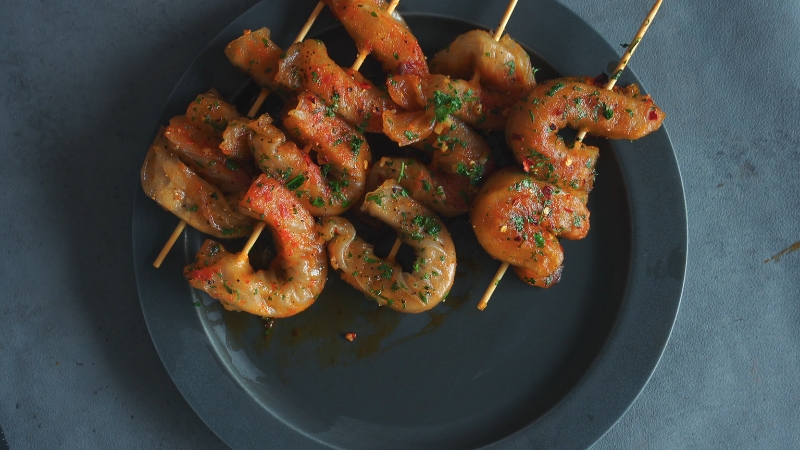
Plant-based shrimp shines in dishes where shrimp is used as a carrier rather than the star.
Dish Type
Performance
Stir fry
Excellent
Pasta
Very good
Tacos
Excellent
Shrimp cocktail
Moderate
Tempura
Very good
Cold applications require firmer binding and careful seasoning. Warm dishes are far more forgiving.
Common Mistakes That Ruin the Result
Most failures come from rushing or overthinking.
Mistake
Outcome
Too much seasoning
Artificial taste
Low heat
Spongy texture
Overcrowding
Steaming
Overcooking
Tough bite
When in doubt, simplify. Fewer ingredients and better heat control beat complex recipes every time.
Final Thought
@plantbasgal Would your try this recipe?? 🤤🤤 #vegan #shrimp #recipe #fyp #plantbased #mushrooms #viral #cookwithme ♬ original sound – VeganBigBakkk
Making plant-based shrimp at home is less about copying shrimp exactly and more about understanding why shrimp feels good to eat. Once you focus on moisture control, structure, and rest

Hello, my name is Marina Vlasov. Im currently trying to change my career from my current job to becoming a chef. It is a hard road, but I feel like im coming there soon. While I enjoy preparing practically all food, from various cuisines from all over the globe, I must say that I mostly enjoy preparing vegan food. That is my strongest side. That is why I want to provide you with the best vegan food recipes on this blog of mine.