
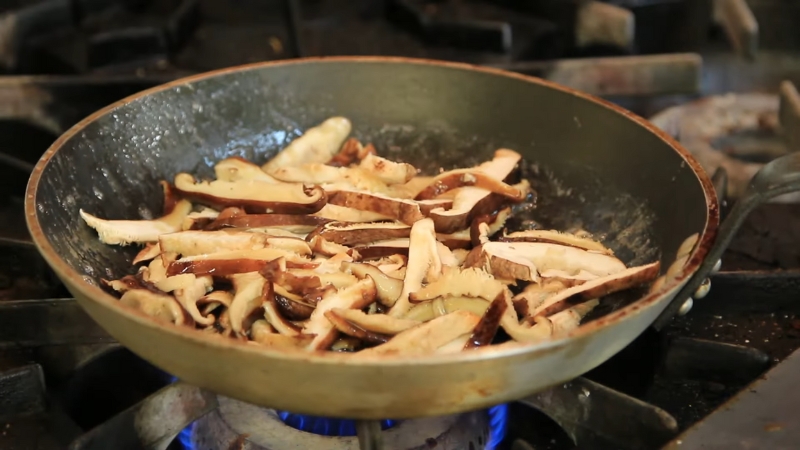
Cooking Shiitake Mushrooms the Right Way (So They’re Never Rubbery)
Shiitake mushrooms turn rubbery for one simple reason: they are cooked either too fast over low heat or crowded in the pan before their moisture has a chance to escape.
The right way to cook shiitakes is to treat them less like vegetables and more like a protein.
They need space, real heat, and time to brown before seasoning. When cooked correctly, shiitakes become meaty, deeply savory, and tender without chewiness.
The Moment Most People Get Shiitakes Wrong
Most bad shiitake experiences happen at the same moment. The mushrooms hit the pan, release water immediately, and start steaming instead of browning.
The cook sees liquid forming, lowers the heat, and adds salt too early. From that point on, the texture is lost.
Shiitakes are structurally denser than button or cremini mushrooms. Their cell walls hold more chitin, which means they resist softening until heat breaks them down properly.
If the pan never gets hot enough to evaporate surface moisture quickly, the mushrooms tighten instead of relaxing. This is why shiitakes often feel tough even when fully cooked.
Choosing the Right Shiitakes Before You Cook
Texture problems often start before cooking. Fresh shiitakes should have firm caps and dry, slightly curled edges. Slimy caps or cracked, brittle surfaces indicate age, and no technique fully fixes that.
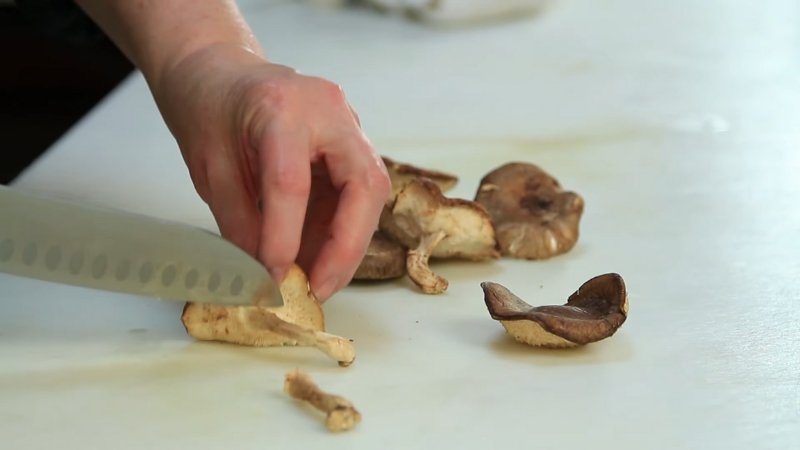
Stems matter more than most people realize. Shiitake stems are woody and fibrous. They do not soften with normal sautéing and are the most common cause of chewiness when left attached.
Part of Shiitake
Best Use
Texture Outcome
Caps
Sauté, roast, grill
Tender, meaty
Stems
Broth, stock, drying
Tough if sautéed
Removing the stems before cooking is not optional if you care about texture. Save them for stock. They carry flavor but not tenderness.
Washing Shiitakes Without Ruining Them
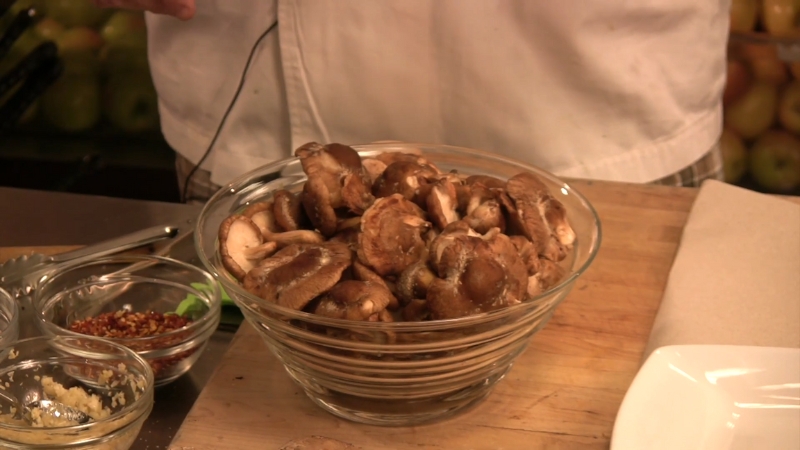
There is a long-standing fear that mushrooms absorb water like sponges. In reality, shiitakes absorb very little water if rinsed briefly. Dirt left on the caps causes uneven browning and bitterness.
A quick rinse under cold water followed by immediate drying with a towel is enough. Do not soak them. Surface moisture delays browning and increases the chance of steaming.
The Heat Rule That Changes Everything
Shiitakes need higher heat than most home cooks expect. Medium heat is not enough. The pan should be hot enough that the mushrooms sizzle immediately on contact.
When shiitakes enter a properly heated pan, they release moisture, but that moisture evaporates quickly instead of pooling. This allows browning to begin before the mushrooms collapse.
Pan Condition
Result
Crowded pan
Steaming, rubbery texture
Cool pan
Water release without browning
Hot, spacious pan
Browning, tender bite
If you are cooking a large batch, work in batches. Overcrowding is the fastest way to ruin shiitakes.
Oil First, Salt Later
Salt pulls moisture out of mushrooms. Adding it too early guarantees steaming. The correct sequence is oil, mushrooms, browning, then salt.
Neutral oils with higher smoke points work best. Olive oil is acceptable, but butter alone burns before browning finishes. Many cooks start with oil and finish with butter for flavor.
Wait until the mushrooms have visible golden edges before seasoning. At that point, most surface moisture has already evaporated.
How Long Shiitakes Actually Need
Shiitakes take longer than button mushrooms. Impatience is another reason they turn rubbery. They need time to brown and relax.
On a properly heated pan, shiitakes usually need 7 to 10 minutes, depending on thickness. Early in cooking, they look dry and stiff. This is normal. They soften only after browning begins.
Cooking Stage
What You See
What’s Happening
First 2–3 minutes
Mushrooms stiff, noisy sizzling
Moisture release
Mid stage
Shrinking, light browning
Cell walls breaking down
Final stage
Glossy, flexible texture
Tender interior
Stir less than you think. Frequent stirring prevents browning.
Flavor Additions That Don’t Ruin Texture
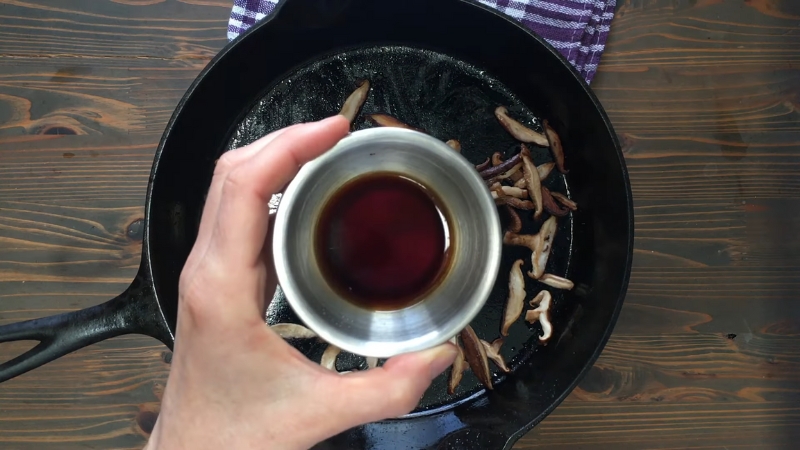
Liquid ingredients like soy sauce, wine, or vinegar should be added only after browning. Added too early, they cool the pan and reintroduce moisture.
Garlic and herbs should go in late. Garlic burns quickly and turns bitter if added before mushrooms are cooked through.
A simple finishing combination works best: salt, butter, and a splash of acid after the heat is reduced.
What About Dried Shiitakes?
Dried shiitakes are different. They require rehydration, and their texture depends on how they are handled after soaking.
Soak dried shiitakes in hot water for 20 to 30 minutes, then squeeze them gently but firmly. Excess soaking liquid left in the mushrooms leads to sponginess when cooked.
The soaking liquid itself is valuable and can be strained and used for soups or sauces.
Why Roasting Sometimes Works Better Than Sautéing
View this post on Instagram
Oven roasting solves many texture problems automatically. High, dry heat allows moisture to escape evenly.
At 220°C, shiitakes roast in about 20 minutes, becoming crisp at the edges and tender inside. Toss them lightly with oil, spread them in a single layer, and avoid turning too often.
Roasting is especially effective for larger caps or when cooking for multiple people.
The Texture You Should Be Aiming For
Properly cooked shiitakes bend slightly when pressed and tear easily with a fork. They should not squeak against your teeth or snap when bitten. The flavor should be concentrated and savory, not watery.
If shiitakes feel rubbery, they were either rushed, crowded, or salted too early. The fix is almost always more heat and more patience, not more oil or longer cooking.
Final Thought
@jonkungHow to cook young shiitake mushrooms
Shiitake mushrooms reward restraint and attention. Treat them as their own ingredient, not an afterthought, and they stop behaving like rubber and start behaving like the deeply savory mushrooms they are meant to be.

Hello, my name is Marina Vlasov. Im currently trying to change my career from my current job to becoming a chef. It is a hard road, but I feel like im coming there soon. While I enjoy preparing practically all food, from various cuisines from all over the globe, I must say that I mostly enjoy preparing vegan food. That is my strongest side. That is why I want to provide you with the best vegan food recipes on this blog of mine.