
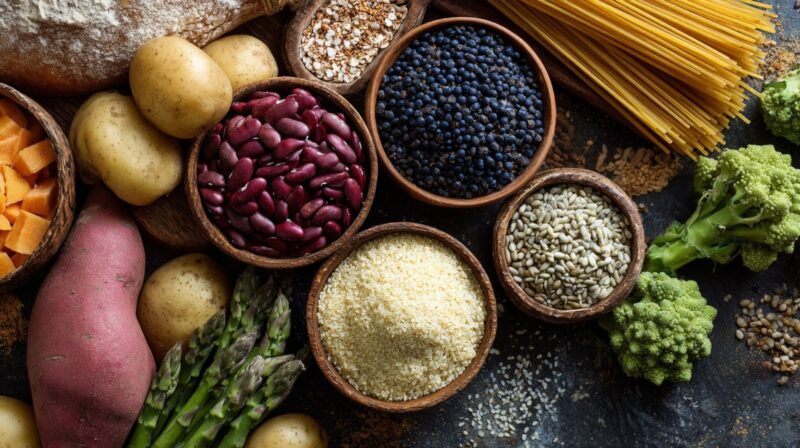
Starch-Free Diet Food List – Nonstarchy Vegetables, Fruits & Meal Ideas
A starch-free or low-starch diet centers on removing foods high in starch, a complex carbohydrate commonly found in grains, legumes, and many root vegetables. Focus shifts toward foods that support steady energy, balanced blood sugar, and improved metabolic function.
Primary goals often include weight loss, blood sugar control, and better digestive comfort. Individuals managing insulin resistance, type 2 diabetes, or frequent energy crashes often choose this eating pattern due to reduced glucose spikes and fewer cravings.
Unlike keto or paleo approaches, a starch-free plan still allows select fruits and a wide range of non-starchy vegetables, making daily meals more flexible and sustainable.
Benefits of a No-Starch or Low-Starch Diet
A no-starch or low-starch eating pattern shifts energy intake toward protein, fats, and fiber-rich vegetables.
Body responses often improve quickly once large starch loads are removed, especially related to hunger cues and energy stability.
Improved appetite control often appears due to higher protein and fat intake, which promotes longer-lasting satiety and fewer cravings between meals. Hunger tends to feel more predictable instead of sudden.
@clevelandclinicAll types of resistant starch have similar benefits. The main benefit is improving the health of your gastrointestinal tract. A healthy gut positively impacts almost all other body systems. Most resistant starch foods are an important part of a healthy dietIncluding resistant starch in your diet may help your quest to drop extra pounds. Eating foods with resistant starch can help you feel full for longer, so potentially you may eat less or not as often. You use more energy to digest resistant starch than sugary carbs. To supply that extra energy, your body has to burn more calories during digestion.
- Slower gastric emptying that keeps meals satisfying longer
- Reduced insulin spikes that trigger rebound hunger
- Greater intake of nutrient-dense foods per calorie
Better blood sugar regulation remains one of the strongest advantages. Starch removal helps reduce rapid glucose increases after meals, supporting insulin sensitivity and more consistent daily energy.
Digestive comfort may improve as non-starchy vegetables supply fiber and natural prebiotics that feed beneficial gut bacteria.
Regular digestion often improves without the bloating linked to heavy starch intake.
Metabolic health benefits may include reduced visceral fat, healthier cholesterol markers, and lower blood pressure. Medical guidance remains important during long-term carbohydrate restriction to prevent micronutrient shortfalls.
Non-Starchy Vegetables List
Non-starchy vegetables form the base of a starch-free eating plan and allow generous portions without excessive carbohydrate intake.
Nutritional guidelines often suggest six or more servings daily to support fiber intake and micronutrient balance.
- Half a cup cooked
- One cup of raw
Leafy Greens
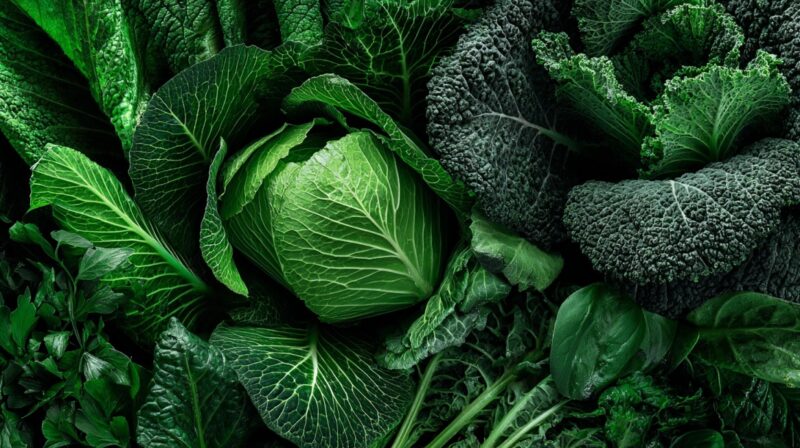
Leafy vegetables deliver vitamins, minerals, and antioxidants while remaining very low in digestible carbohydrates.
- Spinach
- Kale
- Arugula
- Swiss chard
- Romaine lettuce
- Watercress
- Collard greens
- Mustard greens
Cruciferous Vegetables
Cruciferous vegetables support detoxification pathways and provide sulfur-containing compounds linked to metabolic health.
- Broccoli
- Cauliflower
- Brussels sprouts
- Green cabbage
- Bok choy
- Napa cabbage
Other Non-Starchy Vegetables
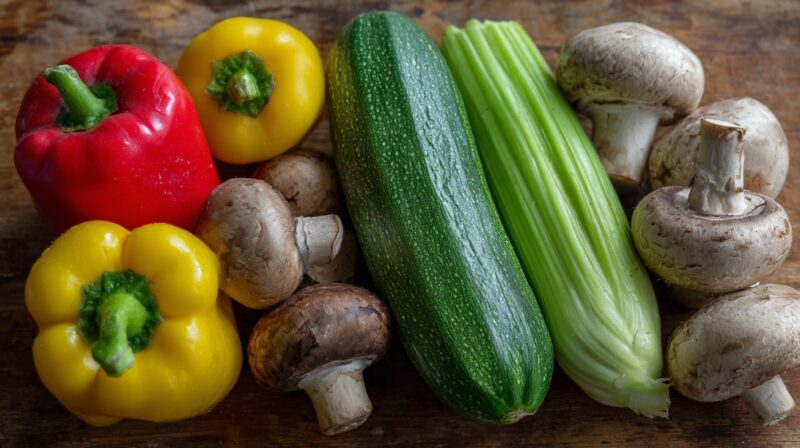
Variety within non-starchy vegetables helps prevent nutrient gaps and meal fatigue. Many options also provide texture and volume without raising blood sugar.
- Zucchini
- Eggplant
- Cucumbers
- Bell peppers
- Mushrooms
- Asparagus
- Celery
- Radishes
- Tomatoes
- Green beans
- Snow peas
- Snap peas
- Leeks
- Okra
- Onions
- Turnips
- Chayote
- Bamboo shoots
- Hearts of palm
- Jicama
- Kohlrabi
- Summer squash
- Spaghetti squash
- Sea vegetables such as kelp and nori
Cooking methods that preserve nutrients and avoid hidden starch sources work best. Steaming, roasting, sautéing, and grilling support flavor without added carbohydrates.
Low-Starch and Starch-Free Fruits
Fruit intake remains possible with careful selection. Lower-glycemic choices supply antioxidants and fiber while keeping carbohydrate load manageable.
- Strawberries
- Raspberries
- Blueberries
- Blackberries
- Grapefruit in moderation
- Small oranges or clementines
- Avocados
- Unsweetened coconut
- Olives
Certain fruits raise blood sugar rapidly and often undermine a starch-free approach. Limiting or avoiding these choices helps maintain stability.
- Bananas
- Dates
- Grapes
- Mangoes
- Pineapple
- Dried fruit of any kind
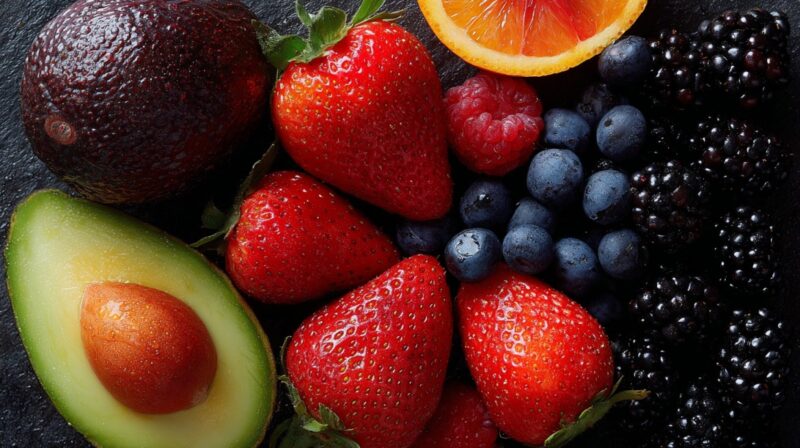
Portion awareness remains important even with approved fruits to maintain consistent glucose levels.
Protein Sources
Protein replaces calories commonly supplied by starch and plays a central role in muscle maintenance, hormone signaling, and satiety.
Adequate intake also helps prevent fatigue during carbohydrate reduction.
- Chicken
- Turkey
- Beef using lean cuts
- Pork using lean cuts
- Lamb
- Veal
- Salmon
- Cod
- Tuna
- Shrimp
- Crab
- Eggs
- Liver
- Heart
Ingredient labels deserve careful attention since processed meats often contain fillers such as maltodextrin or modified food starch.
Healthy Fats and Dairy Options
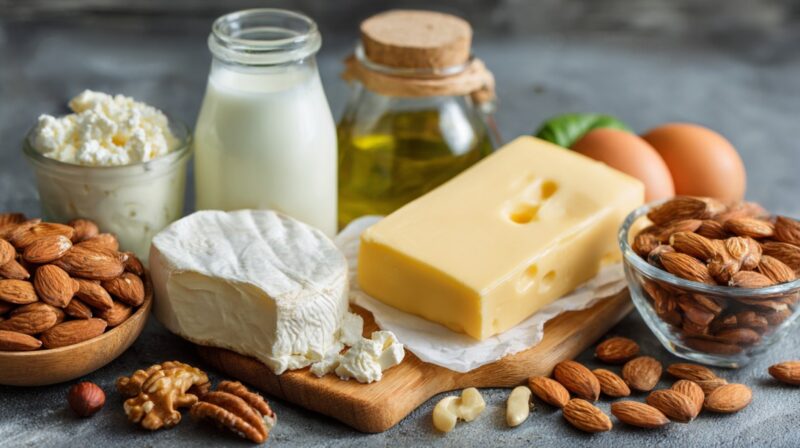
Healthy fats support hormone balance, brain function, and sustained energy. Meals that include fat often feel more complete and satisfying.
- Extra virgin olive oil
- Avocado oil
- Coconut oil
Nuts and seeds add texture and micronutrients but require moderation due to calorie density.
- Almonds
- Walnuts
- Pecans
- Chia seeds
- Flaxseeds
Dairy choices work best when full-fat and unsweetened to avoid hidden sugars or starches.
- Cheddar
- Swiss cheese
- Feta cheese
- Unsweetened full-fat Greek yogurt
- Heavy cream
- Butter
- Ghee
- Unsweetened kefir
- Unsweetened sour cream
Flavored yogurts, reduced-fat dairy, and sweetened milk products often interfere with blood sugar control.
Beverages
Hydration remains essential on a starch-free eating plan.
Recommended Choices
- Water still or sparkling
- Herbal tea
- Black coffee without sweeteners
- Bone broth or vegetable broth without added thickeners
Drinks to Limit or Avoid
- Sugary beverages
- Fruit juice
- Milk
- Alcohol especially beer and sweet wines

Starch-Free Meal Ideas
Structured meal ideas help translate food lists into practical daily eating. Planning meals ahead reduces accidental starch intake and decision fatigue.
1. Day
- Breakfast includes an omelet prepared with spinach, mushrooms, and avocado.
- Lunch features grilled chicken over mixed greens with olive oil dressing.
- Dinner offers baked cod paired with steamed broccoli and lemon.
- Snack options include deviled eggs or sliced cucumbers.
2. Day
- Breakfast includes full-fat Greek yogurt topped with walnuts and blackberries.
- Lunch consists of tuna steak served with arugula and radish salad.
- Dinner pairs pork chops with roasted Brussels sprouts.
- Snacks include hard-boiled eggs or olives.
3. Day
- Breakfast features low-carb blueberry muffins prepared with approved ingredients.
- Lunch includes Thai-style chicken lettuce wraps.
- Dinner consists of salmon-stuffed avocados.
- Snack options include almonds or cheese cubes.
Meal preparation supports consistency and reduces reliance on convenience foods. Limiting net carbohydrates to about fifteen grams per meal often helps maintain results.
Vegetable-based substitutes such as spiralized zucchini or cauliflower rice work well in place of pasta or grains.
The Conclusion and Next Steps
Focus remains on non-starchy vegetables, clean protein sources, and healthy fats. Grains, legumes, starchy vegetables, and processed carbohydrates should be excluded.
Adequate hydration and intake tracking prove helpful during the first one to two weeks as the body adapts. Short-term challenges lasting seven, fourteen, or thirty days help establish habits.
Long-term adherence benefits greatly from guidance provided by a registered dietitian. Magnesium or fiber supplements may support overall balance if dietary intake falls short.

Hello, my name is Marina Vlasov. Im currently trying to change my career from my current job to becoming a chef. It is a hard road, but I feel like im coming there soon. While I enjoy preparing practically all food, from various cuisines from all over the globe, I must say that I mostly enjoy preparing vegan food. That is my strongest side. That is why I want to provide you with the best vegan food recipes on this blog of mine.