
Can Udon Noodles Fit Into a Healthy Diet? What Nutritionists Say
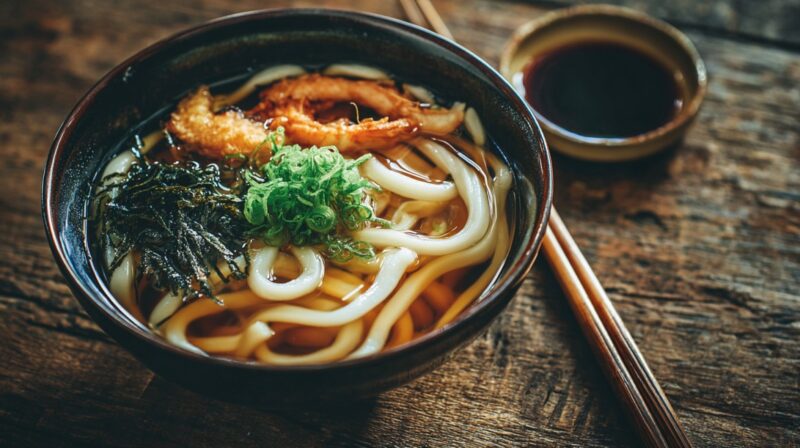
Udon noodles are a well-known part of Japanese cuisine, valued for their thick, chewy texture and mild flavour that pairs easily with many ingredients. Comforting bowls of udon often appear in soups, stir-fries, or chilled dishes served with dipping sauces.
Growing interest in health-conscious eating has led many people to question how noodles fit into everyday meals. Focus often falls on carbohydrates, refined grains, and portion size.
Short answer remains positive: Udon noodles can fit into a healthy diet when eaten in balance, thoughtful preparation, and attention to overall meal composition.
But now, we will discuss this topic in greater detail.
Tips for Adding Udon Noodles to a Healthy Diet
Smart preparation choices can turn udon noodles into a supportive part of everyday meals. Focus rests on ingredient quality, portion awareness, and thoughtful pairings that balance carbohydrates with other nutrients.
Whole-grain options offer noticeable advantages when shopping for udon. Fibre content rises, and micronutrient density improves, making these noodles more filling and supportive of digestion.
Ingredient labels deserve a close look, with emphasis placed on products made with whole wheat flour and minimal additives.
- Whole wheat is listed as a primary ingredient
- Short ingredient lists with flour, water, and salt
- Absence of seasoning packets or artificial flavour enhancers
Portion size plays a major role in maintaining balance. Udon noodles provide substantial energy, so moderate servings help meet daily needs without excess calorie intake.
Plates built around noodles rather than dominated by them often support better blood sugar control and long-term satisfaction.
Meal composition shapes overall nutritional value. Udon works best alongside protein, vegetables, and healthy fats that slow digestion and improve satiety.
- Lean proteins like tofu, eggs, chicken, shrimp, or fish
- Vegetables such as broccoli, bok choy, carrots, mushrooms, spinach, and cabbage
- Fats like sesame oil, tahini, avocado, or a small amount of olive oil
Sodium awareness matters, especially for soup-based dishes. Broths, sauces, and instant seasoning packets can raise sodium intake quickly.
Choosing lighter broths, diluting sauces, or seasoning at home allows better control. Instant noodle packets often exceed half of the daily sodium limits in one serving.
Mindset also influences healthy eating habits. Carbohydrates do not require avoidance to support wellness goals. Balanced meals built with intention allow noodles to remain enjoyable without guilt or restriction.
Nutritional Profile of Udon Noodles

Clear knowledge of nutritional values helps guide portion size and meal planning. Traditional wheat-based udon noodles deliver energy primarily through carbohydrates while offering moderate protein and low fat.
- About 274 calories
- Around 53 grams of carbohydrates
- Approximately 10 grams of protein
- Roughly 2.5 grams of fat
- Close to 213 milligrams of sodium before adding sauces
Fiber content averages near 2.5 grams per serving, which remains modest compared to whole-grain or legume-based pastas.
- Thiamine
- Niacin
- Riboflavin
- Folate
- Magnesium
Whole wheat udon retains bran and germ, leading to higher fibre intake and improved B vitamin levels.
Refined white versions lack much of this nutritional depth, making whole-grain choices preferable for regular consumption.
Health Benefits of Udon Noodles
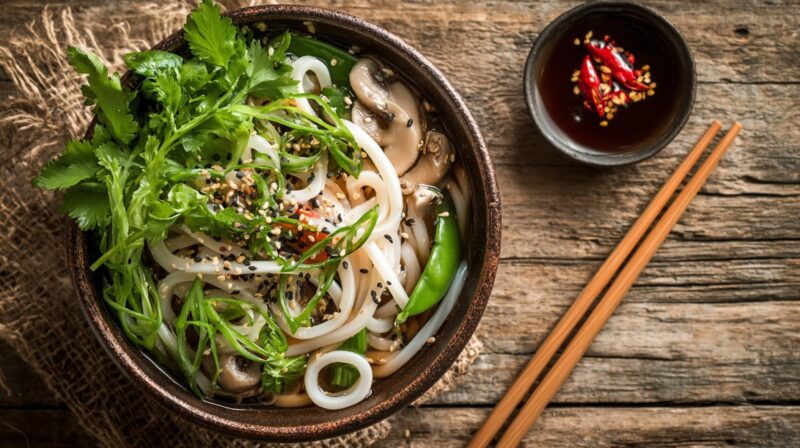
Several health-supportive qualities explain why udon noodles continue to appear in balanced eating patterns. Benefits depend largely on preparation style and ingredient quality.
Source of Complex Carbohydrates
Whole wheat udon noodles provide complex carbohydrates that break down at a slower pace compared to refined sugars. Gradual digestion helps deliver steady energy throughout the day rather than rapid spikes and crashes.
- More consistent blood sugar levels
- Sustained physical and mental energy
- Reduced strain on insulin regulation over time
Such effects support long-term metabolic health and may lower risk markers associated with heart disease and type 2 diabetes when noodles appear as part of a balanced plate.
Digestibility and Gut-Friendly Qualities
Simple ingredient composition using flour, water, and salt makes udon gentle on digestion for many individuals.
Cooking fully hydrates the noodles, softening starch granules and allowing digestive enzymes to work more efficiently.
- Easier breakdown of carbohydrates
- Reduced digestive discomfort
- Improved tolerance during periods of sensitive digestion
These qualities make udon a common choice during recovery meals or lighter eating periods.
@brittanymccrystal Garlic Chilli Udon noodles 403 calories | 35g protein |serves 3 Ingredients: – 400 g Trident Authentic Udon Noodles – 300 g Chicken Breast (Woolworths) – 20 g Crushed Garlic (Just Garlic) – 200 g Broccolini – 1 Large Carrot – 1 Red Pepper – 0.5 Whole Onion – 0.5 tablespoon Sesame Oil – 3 tablespoons Soy Sauce (Dragon) – 3 tablespoons Dark Soy Sauce (Tesco) -1 tsp sweet soy sauce -1 tsp sweetener -chilli flakes Method: 1. Begin by bringing a pot of water to a boil. Add the Trident Authentic Udon Noodles and cook for a few minutes until tender. Once cooked, drain and set aside. 2. In a pan, heat a small amount of sesame oil over medium heat. Add the crushed garlic, chopped onion, and lean chicken breast, cooking until the chicken is browned and cooked through. 3. Chop the broccolini, carrot, and red pepper into bite-sized pieces, then add them to the pan. Add a dash of water and Stir-fry the vegetables until they are tender. 4. In a bowl, combine the soy sauce, dark soy sauce, sesame oil, sweet soy sauce, 1/4 cup water, chilli and sweetener. Pour this sauce over the chicken and vegetables, mixing well. 5. Add the cooked udon noodles to the pan, tossing everything together until the noodles are coated in the sauce and heated through. 6. Allow the mixture to simmer for a few minutes until the sauce thickens and clings to the noodles. 7. Serve hot, garnished with fresh spring onion, sesame seeds, and a sprinkle of chili flakes, if desired. #viral #fatloss #weightloss #motivation #weightlosstransformation #fy #weightlosstips #healthy #weightlossjourney #mealprep #noodles #udon ♬ Eatin’ Good – Woodcamp
B Vitamin Support
Udon noodles contribute several B vitamins that play central roles in daily function.
- Improved energy metabolism
- Nervous system support
- Assistance with immune health
- Better stress resilience
Fiber and Colon Health With Whole Grain Options
Fiber content remains modest in refined udon, yet whole wheat versions deliver improved digestive benefits.
Increased fiber intake supports bowel regularity and promotes a healthier gut environment.
Population research conducted in Japan links higher whole grain and fiber intake with lower colorectal cancer risk.
Choosing whole wheat udon more frequently strengthens digestive health without sacrificing meal satisfaction.
Satisfying Comfort Food
Udon noodles offer physical and emotional satisfaction through texture, warmth, and volume. Chewy consistency promotes slower eating, which supports fullness recognition.
- Longer-lasting satiety
- Reduced likelihood of overeating later
- Psychological comfort that supports sustainable eating habits
Enjoyment plays an important role in nutrition consistency, and udon dishes can meet both nourishment and comfort needs when prepared thoughtfully.
Udon Noodles vs Other Noodle Types
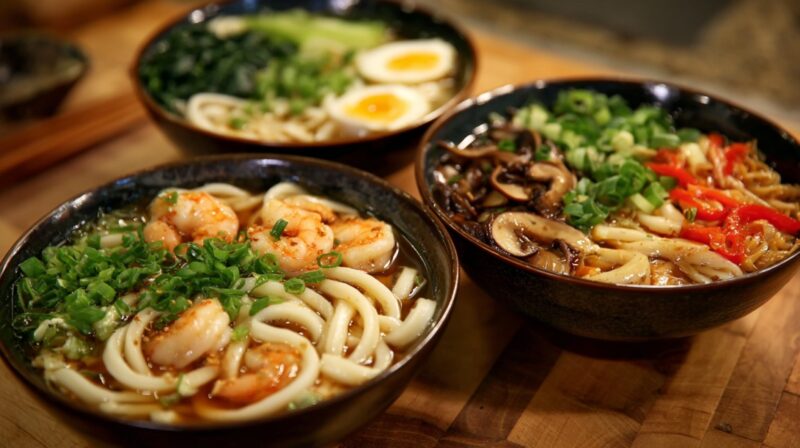
Comparing noodle varieties highlights where udon fits among common alternatives. Differences appear most clearly in fibre, protein, and processing levels.
| Noodle Type | Fiber (per 2 oz) | Protein | Gluten-Free | Key Nutritional Points |
|---|---|---|---|---|
| Udon (white) | ~2.5g | 10g | No | B vitamins, easy to digest, low fiber |
| Whole Wheat Udon | ~4–5g | 10g | No | Higher in fiber and micronutrients |
| Soba (100% buckwheat) | ~3g | ~7g | Yes | High in antioxidants, gluten-free |
| Rice noodles | ~2g | ~3g | Yes | Low in protein, neutral taste |
| Lentil pasta | 6g | 14g | Yes | High in fiber and protein |
| Chickpea pasta | 8g | 12g | Yes | Fiber- and protein-rich, gluten-free |
| Instant noodles | ~1g | ~4g | No | High sodium, highly processed |
The Final Verdict or What Nutritionists Say
Udon noodles can support a healthy lifestyle when eaten mindfully. Best results come with whole-grain or alternative flour versions, balanced plates that include protein and vegetables, and sensible portion sizes.
Udon does not qualify as a superfood, yet versatility, satisfaction, and nutrient contribution make it a practical option for many eating patterns. Balanced diets allow space for enjoyable foods, and udon noodles can hold a place in that balance when prepared with care.

Hello, my name is Marina Vlasov. Im currently trying to change my career from my current job to becoming a chef. It is a hard road, but I feel like im coming there soon. While I enjoy preparing practically all food, from various cuisines from all over the globe, I must say that I mostly enjoy preparing vegan food. That is my strongest side. That is why I want to provide you with the best vegan food recipes on this blog of mine.